Top 5 Satellite Messengers for Deep Backcountry Survival: 2026 Expert Rating and Buyer Guide
Introduction
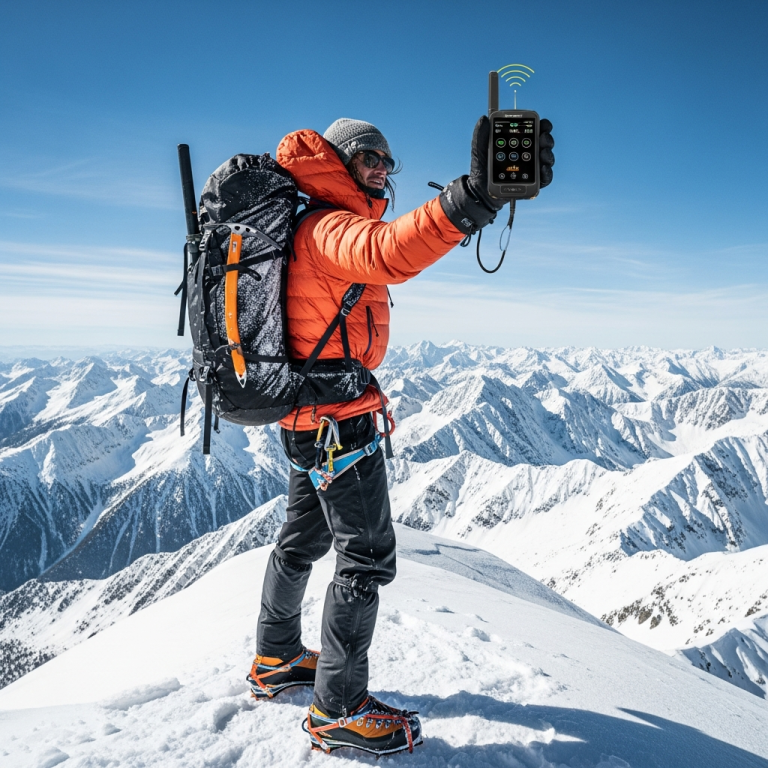
Venturing into the deep backcountry requires more than just a sturdy pair of boots and a map. In 2026, as expeditions push further off the grid, relying on cellular coverage is not just naive—it is a critical safety risk. Whether you are scaling alpine peaks, overlanding through desolate terrains, or setting up a base camp miles from civilization, a reliable satellite messenger is the ultimate lifeline between you and emergency rescue teams.
The landscape of satellite communication has evolved drastically. Today’s devices offer hyper-local weather forecasting, seamless auto-switching networks, and even reverse charging capabilities to revive dead smartphones. Integrating these advanced devices with your winter survival gear is non-negotiable. If you are already upgrading your shelter by reviewing our guide on the Top 10 Ultra-Durable 4-Season Tents for 2026, adding a high-tier satellite communicator to your kit is the next logical step. In this comprehensive guide, we analyze the top 7 satellite messengers dominating the 2026 market to ensure you stay connected when it matters most.
As an Amazon Associate I earn from qualifying purchases.

Top Picks for Deep Backcountry Survival in 2026

When it comes to off-grid reliability, not all devices are created equal. The following models represent the absolute pinnacle of survival communication technology available this year.
1. Garmin inReach Mini 2
Garmin inReach Mini 2
⭐️ 4.8/5
🔥 Key Feature: Upgraded TracBack routing combined with seamless Iridium LEO (Low Earth Orbit) network integration, ensuring instantaneous SOS dispatch and continuous location pinging even under heavy forest canopy.
- Industry-leading Iridium satellite coverage
- Exceptional battery life up to 14 days in 10-minute tracking mode
- Ultra-compact and lightweight design
- Active subscription plan required for use
- Small screen requires smartphone pairing for fast typing
The Garmin inReach Mini 2 remains the undisputed champion for backcountry survival. In 2026, the updated TracBack feature ensures that even if you lose your way in a whiteout, the device will navigate you back to your starting point with pinpoint accuracy. It is an essential companion to pack alongside your extreme cold weather sleeping bag to guarantee safety in sub-zero conditions.
2. Garmin GPSMAP 67i
Garmin GPSMAP 67i
⭐️ 4.5/5
🔥 Key Feature: Multi-band GNSS support paired with AI-driven, hyper-local topographical weather forecasting and an ultra-bright LED flashlight that functions as a physical SOS beacon.
- Large, sunlight-readable color display
- Preloaded TopoActive mapping for standalone navigation
- Incredible multi-band GNSS accuracy
- Premium price tag
- Heavier and bulkier than standard messengers
For the elite adventurer or overlander outfitting their hardshell rooftop tent rig, the GPSMAP 67i is the ultimate hybrid device. It replaces the need for a separate handheld GPS, offering detailed topographical maps alongside state-of-the-art emergency communication.
Budget-Friendly and Smartphone Integrations
Not every expedition requires a $500 device. Technological advancements in 2026 have allowed manufacturers to create brilliant, budget-friendly communicators that utilize your smartphone’s interface to send emergency alerts and texts via satellite.
3. Motorola Defy Satellite Link
Motorola Defy Satellite Link
⭐️ 4.2/5
🔥 Key Feature: Bullitt Satellite Messenger NTN (Non-Terrestrial Network) technology, providing direct-to-device 3GPP satellite integration that turns any standard smartphone into a satellite-enabled survival tool.
- Highly affordable entry price
- Physical SOS button works without a phone
- Rugged, drop-proof, and waterproof build
- Relies heavily on the smartphone app for messaging
- Bullitt satellite network is still expanding in some remote regions
The Motorola Defy represents a monumental shift in survival tech affordability. By leveraging NTN technology, it seamlessly transforms the smartphone you already own into a powerful satellite text messenger. This is a game-changer for weekend warriors looking for peace of mind without breaking the bank.
4. ZOLEO Satellite Communicator
ZOLEO Satellite Communicator
⭐️ 4.6/5
🔥 Key Feature: Intelligent auto-switching technology that seamlessly transitions between Wi-Fi, cellular, and the Iridium satellite network, guaranteeing zero-latency message threading for survival coordination.
- Provides a dedicated SMS number and email address
- Flawless transition between cellular and satellite
- Excellent dedicated smartphone application
- No display screen on the device itself
- Battery life is shorter than premium Garmin alternatives
ZOLEO eliminates the frustrating fragmented conversations that plague older satellite devices. Because it assigns you a dedicated number, your contacts back home can message you just as they would normally. The intelligent auto-switching guarantees your message gets out using the fastest available network.
Specialized Satellite Gear: Battery, Standalone & Compact
For specialized scenarios—like month-long thru-hikes or extreme alpine ascents—you may need a device tailored for a specific metric: absolute battery endurance, standalone screen operability, or an ultra-minimalist footprint.
5. Garmin inReach Messenger
Garmin inReach Messenger
⭐️ 4.7/5
🔥 Key Feature: Safety charge capability (reverse charging to revive a dead smartphone) paired with a massive 28-day standalone battery life, built specifically for prolonged, off-grid expedition emergencies.
- Unbeatable 28-day battery life
- Reverse charging can literally save your life if your phone dies
- Robust Iridium global network
- Tiny display is only suited for reading short messages
- Lacks detailed onboard navigation features
When you are sleeping on one of the best insulated sleeping pads for winter camping, far away from any power source, battery life becomes your most precious resource. The Garmin inReach Messenger prioritizes endurance, ensuring you are never left without an SOS signal.
6. SPOT X with Bluetooth
SPOT X with Bluetooth
⭐️ 4.1/5
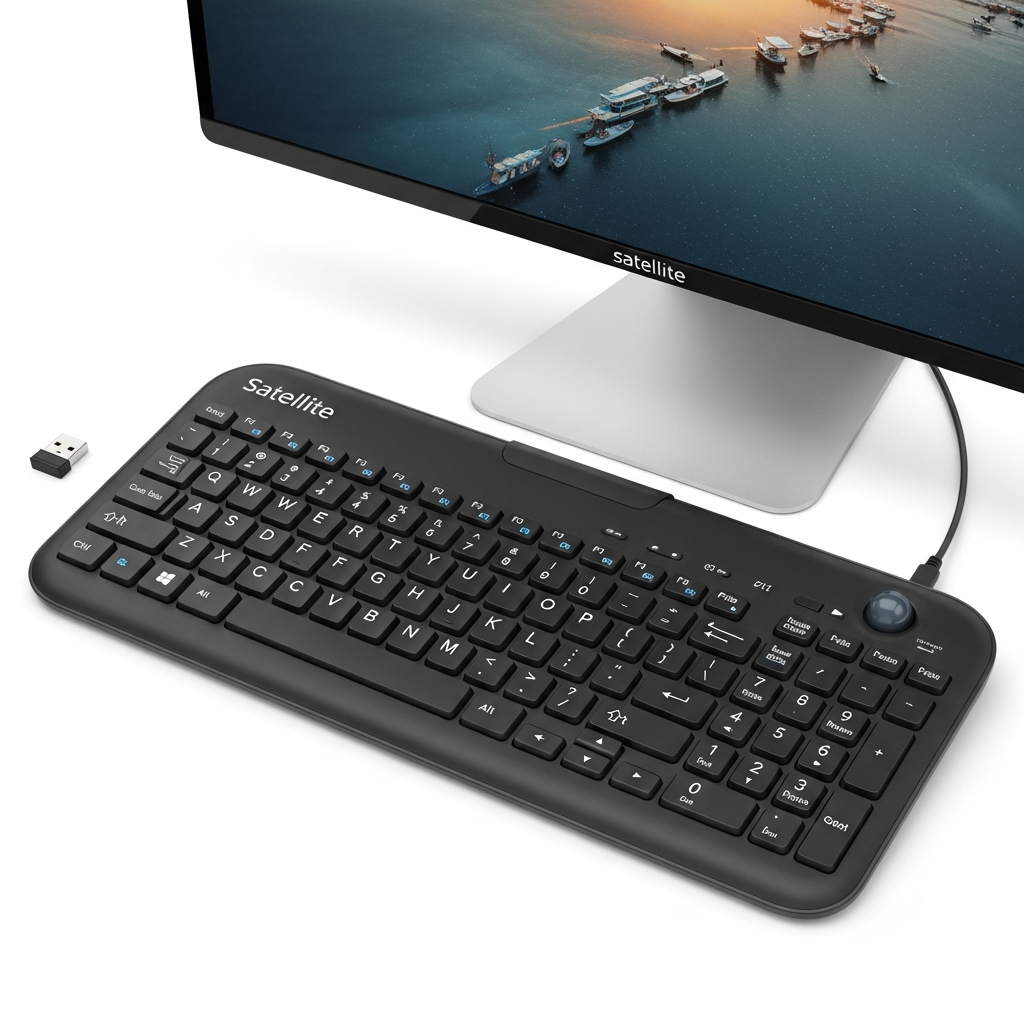
🔥 Key Feature: A dedicated, illuminated physical QWERTY keyboard allowing for rapid, standalone emergency communication and direct SOS routing to FocusPoint International without relying on a smartphone screen.
- Full QWERTY keyboard for easy standalone typing
- Does not require a smartphone to be fully functional
- Provides a dedicated U.S. mobile number
- Globalstar network is slightly less comprehensive than Iridium
- Antenna design makes it bulkier than competitors
In freezing temperatures where touchscreen smartphones fail or battery drains rapidly, the SPOT X shines. The physical keyboard allows you to type out detailed messages while keeping your gloves on—a critical advantage when dexterity is compromised by the cold.
7. ACR Bivy Stick
ACR Bivy Stick
⭐️ 4.0/5
🔥 Key Feature: Ultra-lightweight minimalist form factor (100g) combined with dedicated GroupTrack API integration, allowing alpine rescue teams to monitor multiple climbers in real-time via the Globalstar satellite network.
- Incredibly light at just 100 grams
- Flexible, no-contract subscription plans available
- Hundreds of mountable options via universal 1/4″ screw
- Must rely entirely on the smartphone app for complex functions
- Globalstar network can have occasional latency in deep canyons
For ultralight backpackers who meticulously weigh their gear—down to deciding between Graphene vs Down Insulation—the ACR Bivy Stick is a perfect fit. It provides maximum safety for a minimal weight penalty.
Expert Buyer’s Guide: Selecting the Right Device
Choosing the right satellite messenger in 2026 goes far beyond checking the price tag. Your selection should be directly tied to the environments you plan to explore and your reliance on secondary devices like smartphones. Here are the core factors to consider:
- Network Reliability: The two dominant networks are Iridium and Globalstar. Iridium (used by Garmin and ZOLEO) offers true global coverage, including the poles. Globalstar (used by SPOT and ACR) is highly reliable across the Americas and Europe but has blind spots in deeper global territories.
- Standalone vs. Paired: If you expect to face extreme cold where smartphone batteries die quickly, you need a device with standalone messaging capabilities, such as the GPSMAP 67i or SPOT X.
- Subscription Costs: Every device on this list requires a data subscription to transmit messages to satellites. Look for brands like ACR Bivy Stick or ZOLEO that offer flexible, month-to-month plans if you only hike seasonally.
Frequently Asked Questions (FAQ)

Can I use a satellite messenger without a subscription?
No. Every device requires an active satellite subscription to connect to the network. Without a plan, the SOS button and messaging features will not function.
Are satellite messengers waterproof?
Yes, all of the premium devices featured in our 2026 guide possess high IP ratings (usually IPX7 or IP68), meaning they can withstand heavy rain, snow, and temporary submersion in water.
Will a satellite messenger work in a dense forest?
While heavy canopy cover can slow down signal transmission, modern devices like the Garmin inReach Mini 2 utilize advanced LEO network tracking to punch through tree cover, though you may experience slight delays compared to an open skyline.