Top 5 EMP-Proof Solar Power Kits for Preppers and Homesteaders: 2026 Rankings and Buyer’s Guide
Introduction
Navigating the unpredictable challenges of 2026 reveals glaring vulnerabilities in the modern power grid. For preppers, homesteaders, and off-grid survivalists, genuine energy independence requires preparing for severe scenarios like an Electromagnetic Pulse (EMP) or a massive Coronal Mass Ejection (CME). Standard off-grid solar systems deliver solid day-to-day autonomy; however, a sudden high-altitude EMP could instantly destroy the delicate microprocessors inside charge controllers, inverters, and battery management systems, leaving a homestead completely in the dark.
This article explores proven strategies for assembling a resilient, EMP-proof solar power setup. Out-of-the-box commercial solutions rarely feature true military-grade immunity without specialized modifications, so true preparedness demands a strategic, hands-on approach. We will analyze shielding techniques, component vulnerabilities, and fundamental principles for securing an off-grid power supply against catastrophic grid failures.
Understanding the EMP Threat in 2026
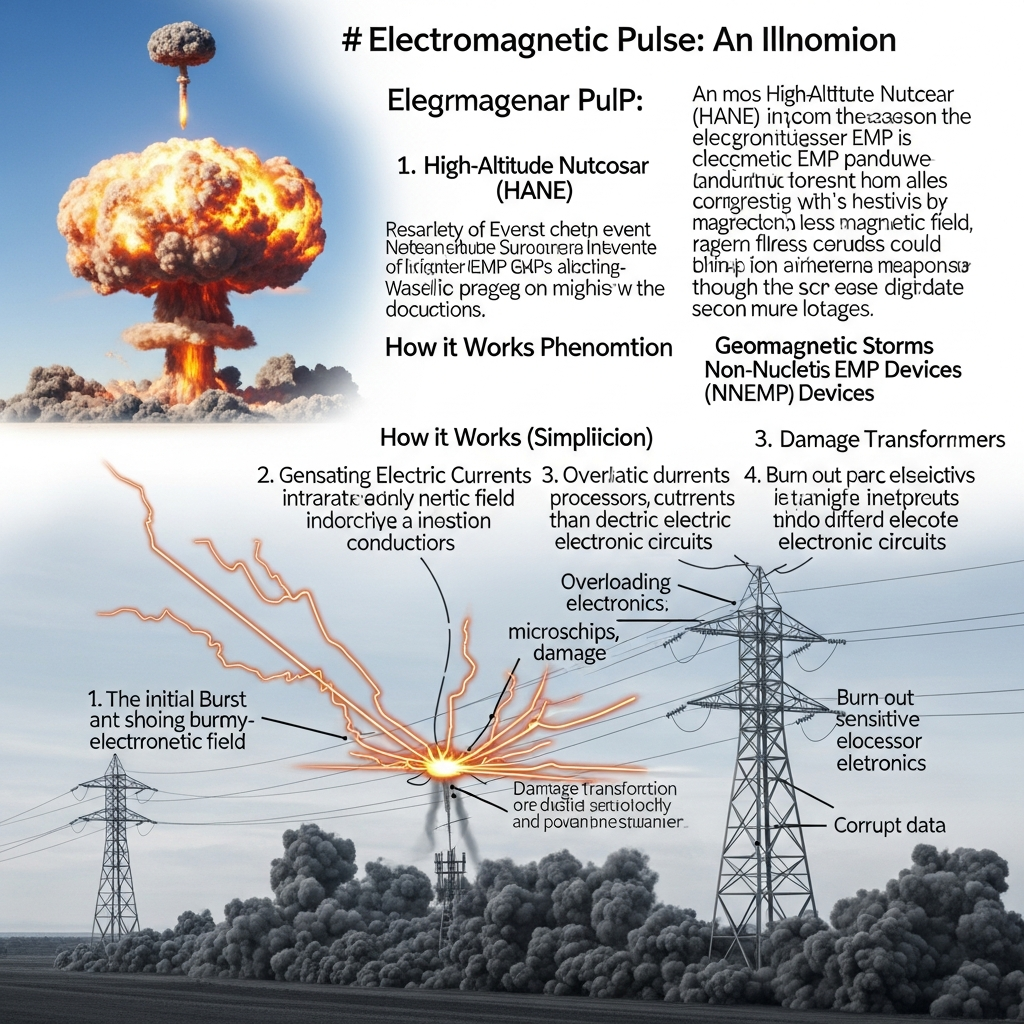
Defending a solar investment requires a clear understanding of the threat. An EMP generates a massive burst of electromagnetic energy that interacts destructively with modern electronics. This energy breaks down into three distinct waves:
- E1 Pulse: The most dangerous wave for localized electronics. It is incredibly fast and brief, destroying integrated circuits, microchips, and delicate semiconductors before standard commercial surge protectors can react.
- E2 Pulse: Operating similarly to a localized lightning strike, this wave is slightly slower. Most modern surge protectors can handle an E2 wave, provided the preceding E1 pulse has not already destroyed them.
- E3 Pulse: A slow, prolonged pulse that induces direct currents in long electrical lines. This wave destroys massive utility transformers and knocks out long stretches of the national power grid for months or years.
For homesteaders, the E1 pulse poses the primary threat to standalone solar power systems. Unshielded solar generators, modern charge controllers, and digital system displays remain highly susceptible to catastrophic failure during an E1 event.
Why Standard Solar Generators Fail
Many preppers mistakenly believe that simply disconnecting a solar setup from the main municipal grid offers sufficient protection. Unfortunately, this is a dangerous misconception. Modern solar technology relies heavily on advanced microprocessors. Maximum Power Point Tracking (MPPT) charge controllers, smart Battery Management Systems (BMS) found in premium lithium iron phosphate (LiFePO4) batteries, and pure sine wave inverters pack sensitive semiconductor chips.
When an EMP strikes, these microchips act as microscopic antennas, absorbing ambient electromagnetic energy. The resulting voltage spike obliterates the silicon pathways, rendering the equipment useless. Comparing top-tier commercial options, such as in our recent analysis of EcoFlow vs Jackery, reveals that regardless of physical ruggedness, no unshielded commercial power station survives a direct, high-altitude E1 pulse without proper external shielding.
Essential Components of an EMP-Proof Solar Setup
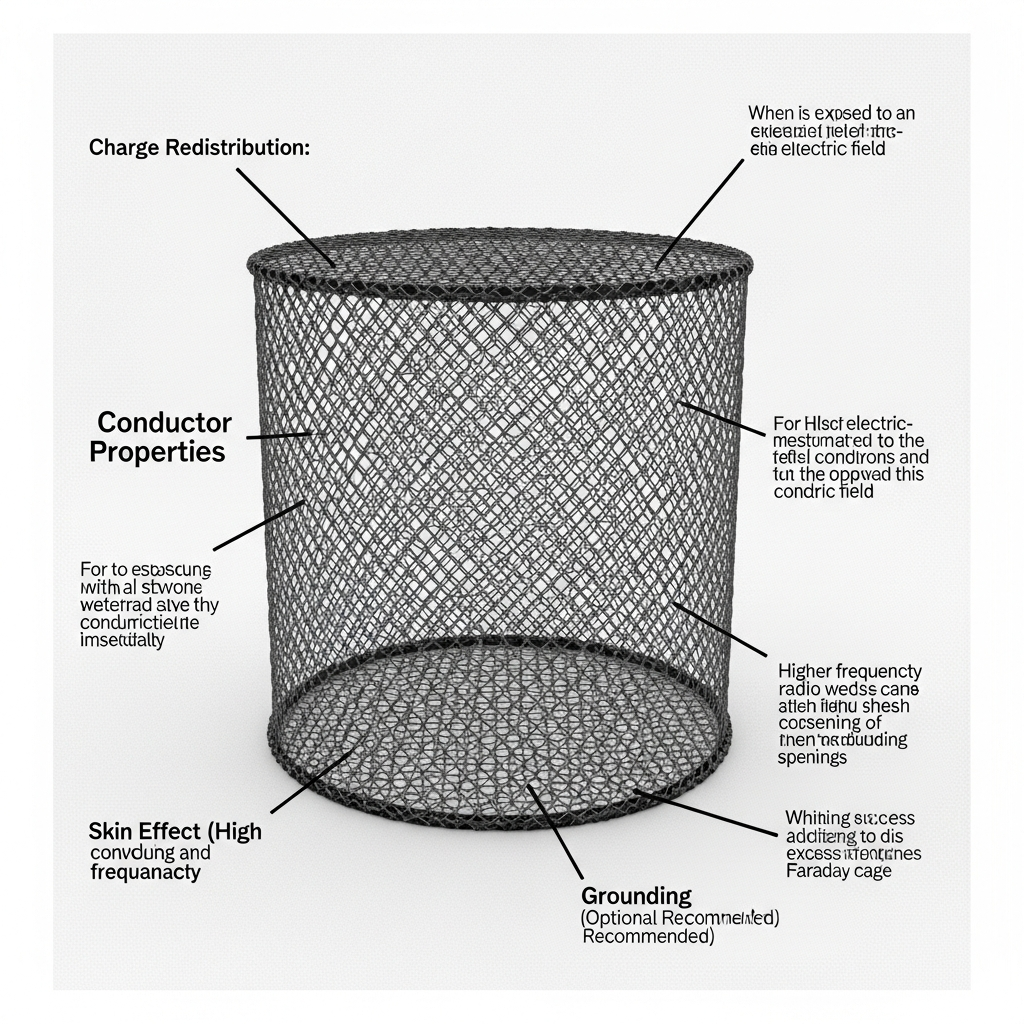
Building a resilient power system in 2026 involves organizing equipment into active duty systems and shielded backup reserves. Here is a breakdown of how an EMP interacts with various solar components, and how to approach their defense:
Solar Panels
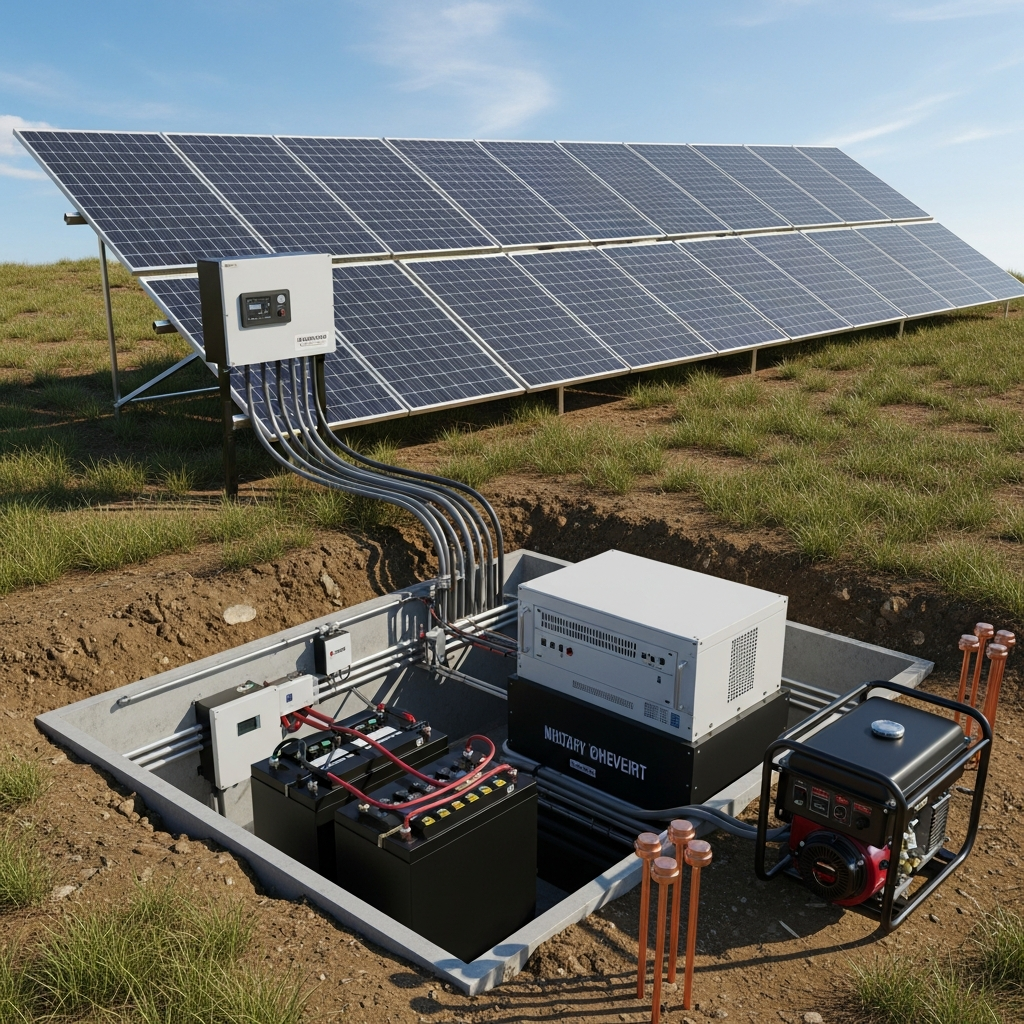
Raw photovoltaic (PV) solar panels possess inherent resistance to EMPs. They lack microchips, operating simply as arrays of silicon cells designed to convert sunlight into direct current. An extremely powerful EMP might cause slight degradation to cell efficiency, but the panels themselves generally survive and continue producing power. The real danger lies in the long wires connecting them to the house, which can act as antennas for the slower E3 pulse.
Charge Controllers and Inverters
These devices serve as the core of an off-grid system and represent the most vulnerable parts of the setup. To guarantee survival, preppers must acquire duplicate backup controllers and inverters, storing them permanently inside a nested Faraday cage. If an EMP event occurs, the active system will likely fail, allowing for an immediate swap to pristine, shielded backups to restore power safely.
DIY Faraday Cages and Military-Grade Shielding
A Faraday cage is a conductive enclosure that effectively blocks external static and non-static electric fields. By channeling electromagnetic energy around the exterior surface, the electronic items stored safely inside remain completely untouched.
Protecting vital backup solar components does not require spending thousands of dollars on military defense contractors. Highly effective shielding can be built using accessible nested layers:
- The Outer Shell: A heavy-duty galvanized steel trash can with a tight-fitting lid serves as the gold standard for DIY preppers. Ensure the lid makes strong, continuous metal-to-metal contact with the body of the can. Many survivalists seal the seam with conductive copper tape for added insurance.
- The Insulation Layer: Line the entire inside of the metal can with non-conductive cardboard, heavy-duty rubber, or dense foam. Electronic components must never touch the exterior metal shell, otherwise, the electromagnetic pulse will transfer directly into the devices.
- The Inner Shielding: Place backup charge controllers, small inverters, and connecting cables inside military-grade, anti-static EMP Mylar bags before placing them into the insulated trash can. This creates a nested Faraday system that offers maximum possible attenuation.
Preparing Your Homestead Power for the Worst
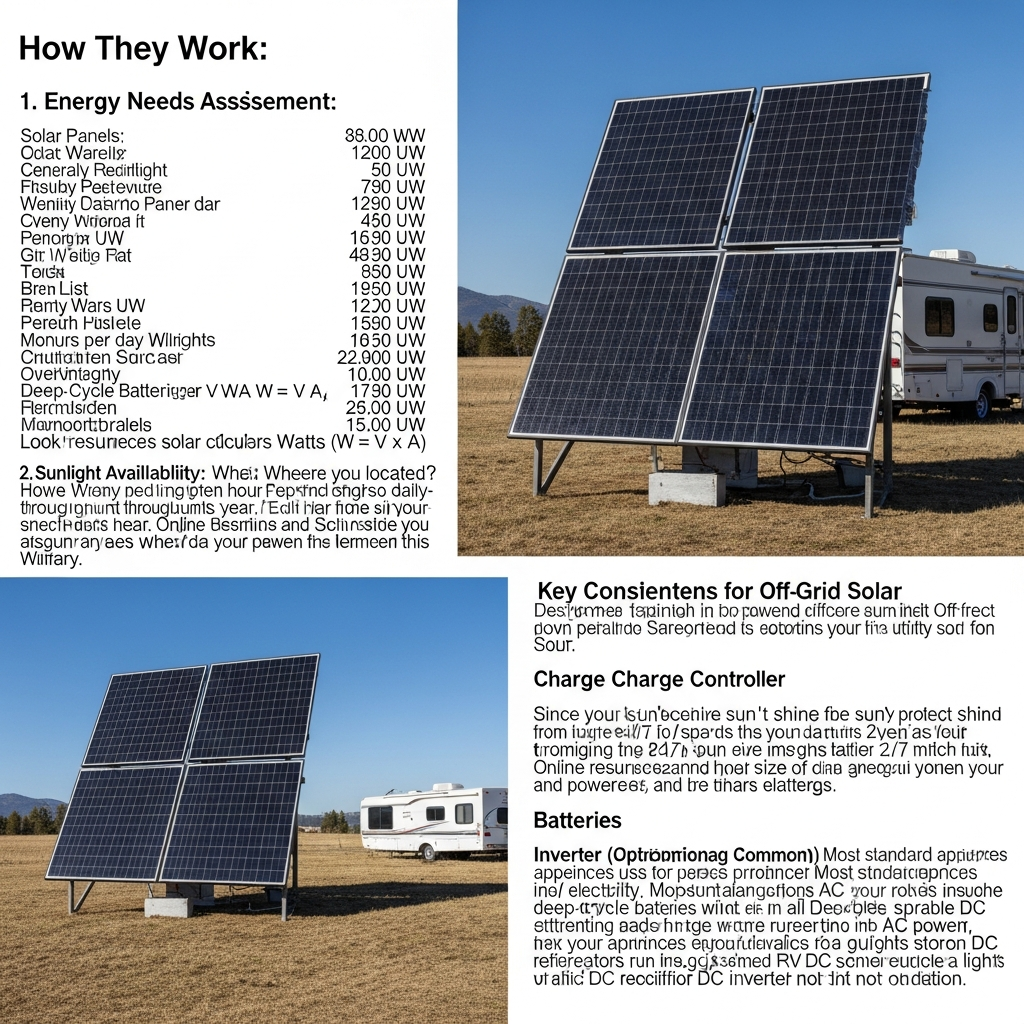
Curating a robust off-grid survival setup in 2026 demands strict redundancy. Instead of relying on a single, highly integrated smart system, adopt a modular approach that allows for quick repairs and part swapping. Because supply chain issues and API constraints have limited the availability of pre-verified survival bundles, assembling a customized modular kit ensures complete control over gear quality.
For those investing in high-capacity portable power stations for off-grid survival, the safest protocol involves purchasing two identical units. Keep one active for daily off-grid use, and place the second entirely inside a certified, oversized Faraday bag or a customized protective metal enclosure. Additionally, store spare solar panel cables, MC4 connectors, fuses, and analog multimeters in shielded storage. Modern digital multimeters will not survive an EMP, making it virtually impossible to diagnose electrical issues post-collapse without analog tools.
Frequently Asked Questions (FAQ)
Are solar panels themselves vulnerable to EMPs?
Standard rigid and flexible solar panels generally withstand EMPs because they lack the delicate microprocessors and intricate circuitry targeted by these events. However, micro-inverters attached directly to the back of modern residential grid-tied panels are extremely vulnerable and will fail instantaneously.
Can I just wrap my solar generator in aluminum foil?
Heavy-duty aluminum foil blocks some radio frequencies and minor electromagnetic interference, but wrapping a complex solar generator in a single layer of kitchen foil fails to provide sufficient protection against a weapons-grade High-Altitude EMP (HEMP). Foil tears easily, and micro-gaps allow the pulse to penetrate. A rigid metal enclosure like a galvanized steel trash can, combined with thorough interior insulation and EMP-rated Mylar bags, guarantees proper shielding.
Will an EMP destroy my stored deep-cycle batteries?
Traditional Lead-Acid and AGM (Absorbent Glass Mat) batteries are physically robust and feature zero internal electronics, making them virtually immune to EMPs. Conversely, modern Lithium-Ion and LiFePO4 batteries rely on complex internal Battery Management Systems (BMS) to regulate voltage and temperature. If the BMS circuit board fries during an EMP, the entire lithium battery becomes useless and potentially a fire hazard. All backup lithium batteries must be stored disconnected inside a reliable Faraday cage.