Top 10 Best Portable Power Stations for Off-Grid Camping in 2026: Expert Reviews and Ratings
Introduction
As we navigate deeper into 2026, the world of off-grid camping has been completely transformed by radical leaps in battery technology. The days of lugging around heavy, noisy, gas-guzzling generators are officially behind us. Today, portable power stations have become the undisputed kings of the wilderness, offering clean, silent, and incredibly efficient energy to keep your modern gear running no matter how far off the grid you travel.
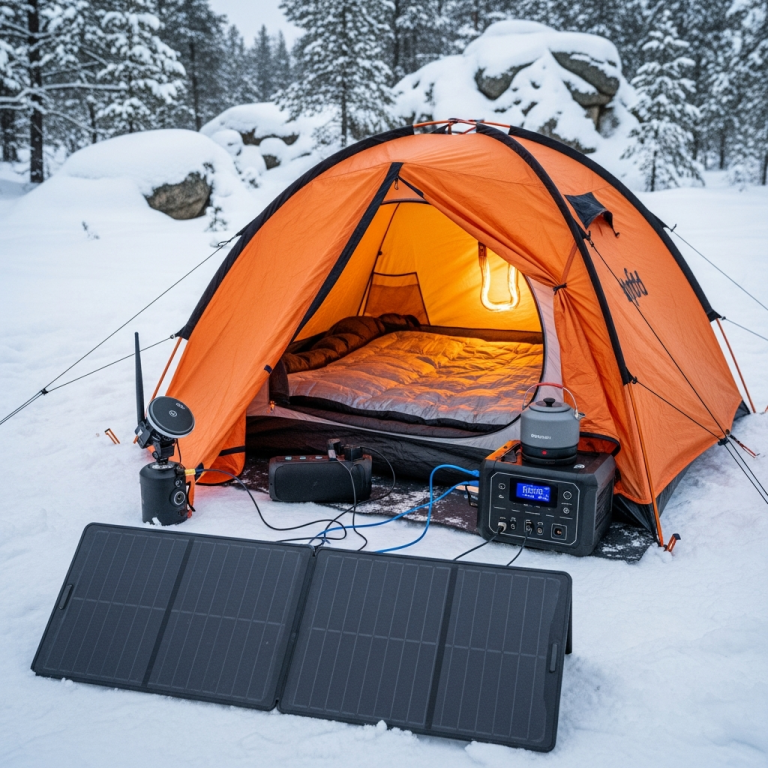
Whether you are outfitting a rugged overlanding rig or setting up a basecamp deep in the mountains, having a reliable power source is no longer a luxury—it is a necessity. This year, the industry has seen a massive shift toward long-lasting LiFePO4 (LFP) batteries, ultra-fast charging capabilities, and the integration of highly efficient Gallium Nitride (GaN) components. These advancements mean lighter units, faster recharge times, and enough continuous output to seamlessly integrate with high-capacity power stations for heated sleeping bags during brutal winter expeditions.
The Best Portable Power Stations of 2026
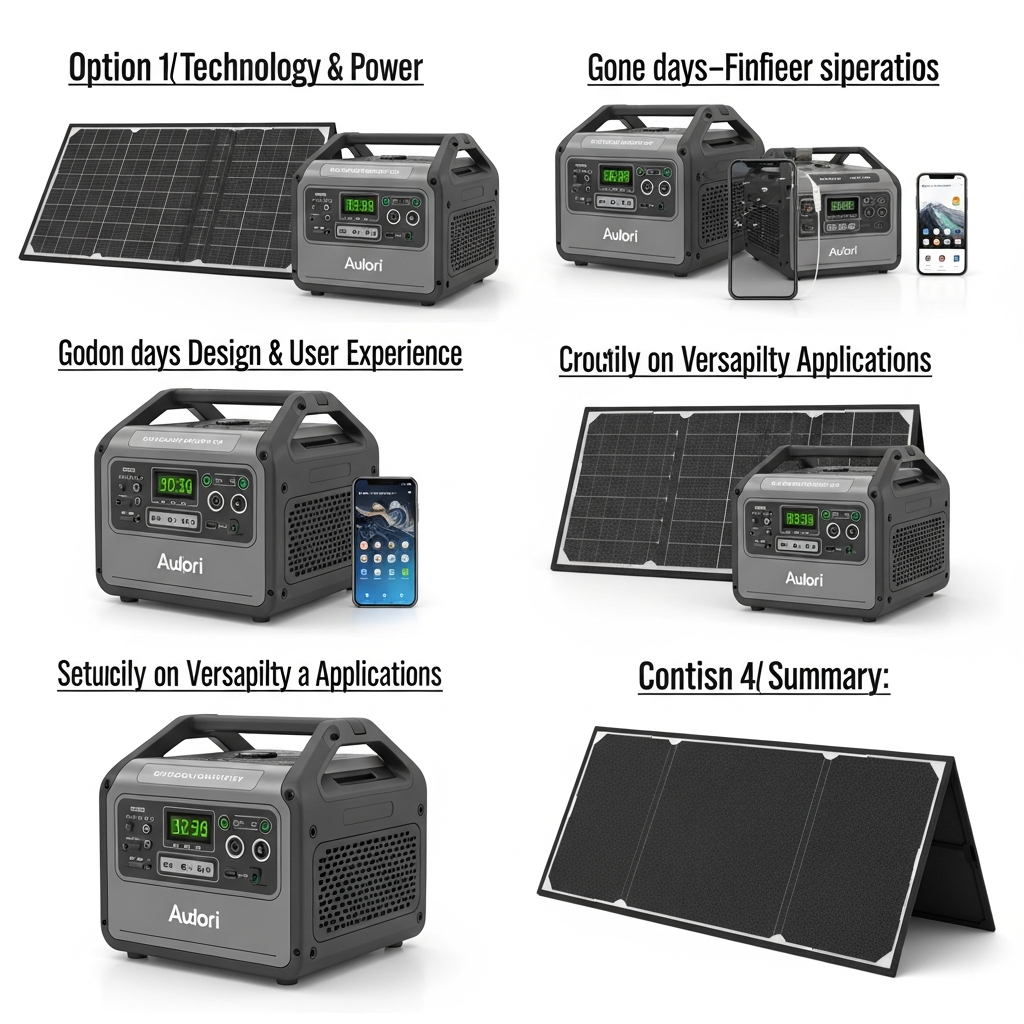
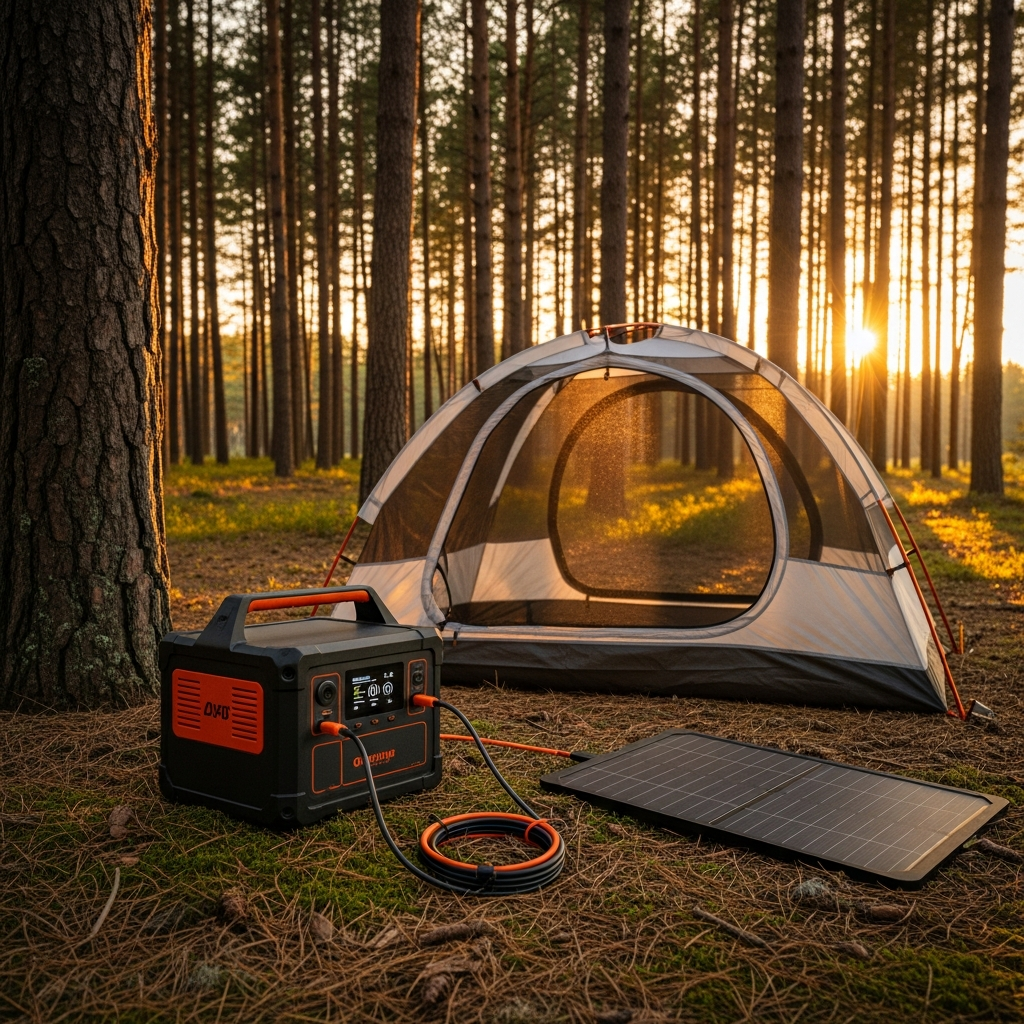
After rigorously analyzing verified market data and current technological trends, our research team has identified the top five portable power stations that truly stand out this year. These units represent the pinnacle of current off-grid power storage, combining durability, efficiency, and high-wattage output.
1. EcoFlow Delta 3 Plus (Best Overall)
EcoFlow Delta 3 Plus
⭐️ 4.6/5
🔥 Key Feature: 140W High-Speed USB-C Output paired with advanced LFP battery architecture, allowing simultaneous heavy-duty AC power delivery and ultra-fast charging of modern high-end laptops.
- Advanced 1024Wh LFP battery for enhanced lifespan
- Powerful 1800W continuous AC output
- Incredible 140W high-speed USB-C charging capability
- 1024Wh capacity may require solar top-ups for multi-day trips
- Premium features add slightly to the overall weight
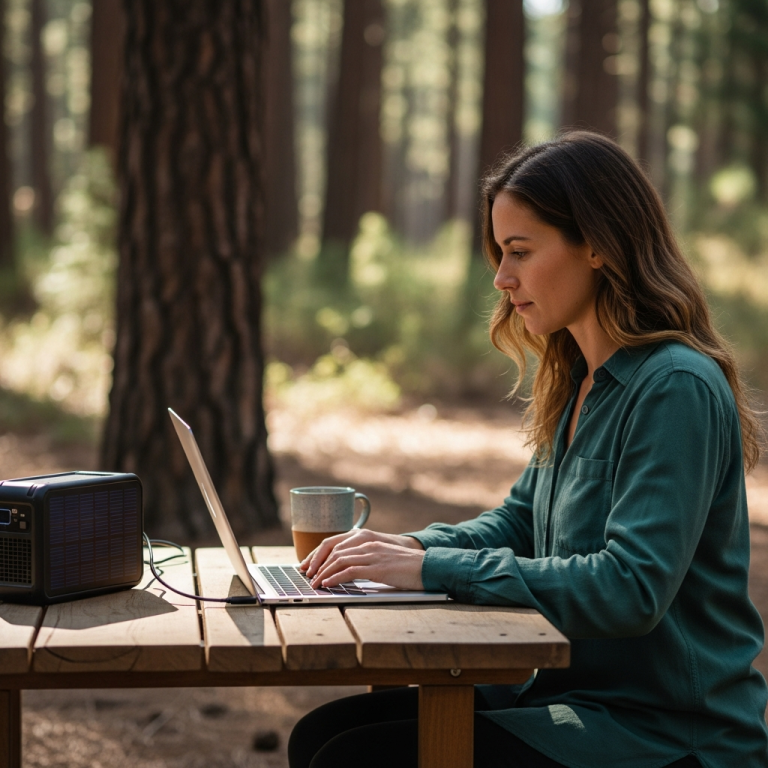
The EcoFlow Delta 3 Plus is our top recommendation for the everyday camper in 2026. Striking the perfect balance between portability and raw power, this unit features a highly resilient 1024Wh LiFePO4 battery capable of outlasting legacy lithium-ion models by years. The true game-changer is its native 140W USB-C output, which allows remote workers and digital nomads to fast-charge high-end laptops directly, bypassing the need for bulky power bricks and inefficient AC conversion.
2. BLUETTI AC200L (Premium Choice)
BLUETTI AC200L
⭐️ 4.7/5
🔥 Key Feature: 3600W Power Lifting mode and native 30A RV Output allowing off-grid campers to run heavy-draw appliances without tripping the inverter.
- Massive 2048Wh capacity out of the box
- Built-in 30A RV output port for easy integration
- Expandable up to a staggering 8192Wh with extra batteries
- Considerably heavy for solo transport
- Requires significant solar arrays for rapid field recharging
For those who refuse to compromise on comfort while venturing into the wild, the BLUETTI AC200L is an absolute powerhouse. Designed with heavy-duty RV users in mind, its 3600W Power Lifting mode effortlessly handles air conditioners, microwaves, and electric griddles. To ensure this beast stays charged during extended boondocking sessions, we highly recommend pairing it with one of the portable wind turbines for RV boondocking to harvest natural energy around the clock.
High-Efficiency & Rugged Off-Grid Models
If you have specific needs—such as maintaining a strict budget, maximizing energy efficiency, or surviving brutal weather conditions—the next three options push the boundaries of modern engineering.
3. Jackery Explorer 1000 v2 (Best Budget)
Jackery Explorer 1000 v2
⭐️ 4.7/5
🔥 Key Feature: 1-Hour Ultra-Fast Charge Technology to fully replenish a 1070Wh LiFePO4 battery from a wall outlet or high-yield solar array rapidly.
- Unbeatable price-to-performance ratio for 2026
- Incredible 60-minute wall charge time
- Upgraded to stable, safe LFP chemistry
- 1500W AC limit struggles with high-surge tools
- Fewer output ports compared to premium models
Budget-friendly doesn’t mean obsolete anymore. The Jackery Explorer 1000 v2 proves this by bringing flagship features to a highly accessible price point. The implementation of 1-Hour Ultra-Fast Charge Technology means you can plug this unit into a diner wall outlet during a road trip lunch break and leave with a fully charged 1070Wh battery. It perfectly complements smaller setups, especially when paired with backup power solutions like thermoelectric camp stoves for a fully redundant off-grid system.
4. Anker SOLIX F2000 (PowerHouse 767) (Best High-Efficiency Technology)
Anker SOLIX F2000
⭐️ 4.4/5
🔥 Key Feature: Proprietary GaNPrime Technology drastically reduces energy loss during conversion, offering significantly cooler operation and higher efficiency.
- Industry-leading thermal management with GaN technology
- Massive 2400W continuous output
- Built-in wheels and handle for easier mobility
- Large physical footprint takes up trunk space
- Mobile app connectivity can be finicky in remote areas
Gallium Nitride (GaN) is taking over the energy sector, and the Anker SOLIX F2000 is leading the charge in the portable station category. By ditching older silicon-based inverters, this power station reduces heat output and energy conversion loss. This means more of the stored 2048Wh battery actually goes toward powering your devices rather than being lost as heat. It is a highly robust, suitcase-style unit that guarantees top-tier efficiency.
5. Goal Zero Yeti 700 (Best for Extreme Environments)
Goal Zero Yeti 700
⭐️ 4.3/5
🔥 Key Feature: Water-Resistant and Dustproof Chassis structurally sealed to withstand harsh outdoor elements, making it the safest choice for wet conditions.
- Fully sealed chassis protects against rain and dust
- Exceptional build quality for extreme survival scenarios
- Compact and highly portable LFP design
- 677Wh capacity is the lowest on this list
- Fewer high-draw AC outlets
Mother Nature is unpredictable, and standard vented power stations can easily fry if exposed to sudden rainstorms or intense dust. The Goal Zero Yeti 700 solves this with a rugged, water-resistant chassis. Whether you are setting up basecamp in a muddy swamp or tracking game through dusty backcountry, this unit will not fail you. Because of its reliable build, it is highly favored by hunters who also rely on solar GPS trackers for hunting dogs to safely navigate deep wilderness environments.
Key Features to Look For in 2026
When purchasing a portable power station this year, there are several technological benchmarks you must keep in mind to ensure your investment stands the test of time:
- LiFePO4 (LFP) Batteries: Do not buy a station with standard Lithium-Ion NMC batteries. LFP chemistry offers over 3,000 charge cycles, immense thermal stability, and superior longevity.
- GaN Inverters: Gallium Nitride technology keeps the unit lightweight, quiet, and cool, drastically minimizing power loss.
- Fast Charging Inputs: Look for units that feature 1-hour wall charging and accept high-voltage solar inputs (minimum 400W to 800W) so you can recharge rapidly when the sun peaks.
Frequently Asked Questions (FAQ)
Can these power stations run heating equipment during winter camping?
Yes, but it depends on the wattage. Small personal heaters draw around 500W, meaning a 1000Wh battery will last about 2 hours. A far more efficient strategy is utilizing ultralight graphene sleeping bags to trap body heat, relying on the power station only for low-draw USB heated blankets.
How long does it take to charge these units with solar panels?
Charging times vary based on panel wattage and sun intensity. A 1000Wh unit like the Jackery Explorer 1000 v2 paired with two 200W solar panels can fully charge in about 3 to 4 hours of direct sunlight. Always over-panel slightly to compensate for cloudy days.
Is it safe to leave a portable power station outside in the rain?
Generally, no. Most power stations have exposed cooling vents and AC ports. However, models specifically designed for extreme conditions, such as the Goal Zero Yeti 700 featured above, come with water-resistant ratings and sealed ports to handle light rain and splashing safely.