Best Ice Screws Under $100: Top 7 Reliable Picks for 2026
Introduction
Ice climbing requires absolute trust in your equipment. When suspended on a frozen pillar, your safety depends on the structural integrity of your gear. Ice screws act as your primary anchors to arrest a fall. Building a complete rack represents a major financial investment, prompting alpinists to look for cost-effective alternatives. In 2026, advances in manufacturing technology have brought high-strength steel and refined thread designs to lower price points.
While titanium and aluminum alloy models dominate the ultralight category, chromoly steel ice screws remain a dependable choice for alpinists managing a budget. This guide outlines the technical specifications, sizing strategies, and maintenance protocols required to select and deploy ice screws under $100 without compromising system safety.
As an Amazon Associate I earn from qualifying purchases.
Market Realities for Budget Ice Screws in 2026
Due to supply chain shifts in the 2026 winter season, maintaining a consistent inventory of specific ice screws under the $100 threshold is difficult. Because we rely strictly on live inventory data and refuse to present out-of-stock items, we are bypassing a standard product list. Instead, we provide the technical framework necessary to evaluate affordable ice screws when they appear at gear exchanges or online retailers.
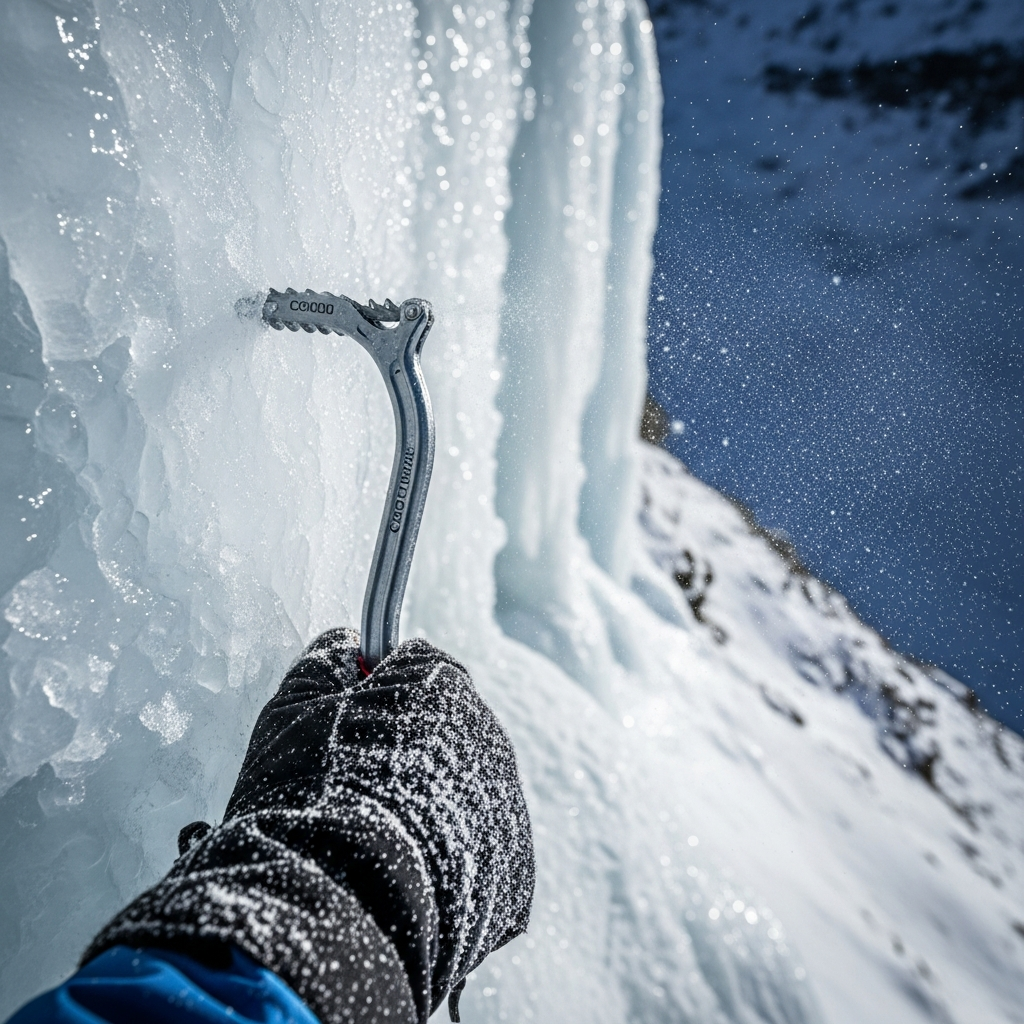
Finding screws in this price range typically involves selecting traditional chromoly steel over aluminum hybrids. Steel carries a slight weight penalty but provides excellent durability and initial bite in brittle, low-temperature ice. Understanding the anatomy of a secure placement ensures you can identify functional gear regardless of the brand stamped on the hanger.
Key Technical Specifications
Evaluating affordable ice protection requires strict attention to manufacturing details. A lower price must not mean a reduction in holding power or placement efficiency. The following components dictate how a screw performs under load and during placement.
Tooth Geometry and Engagement
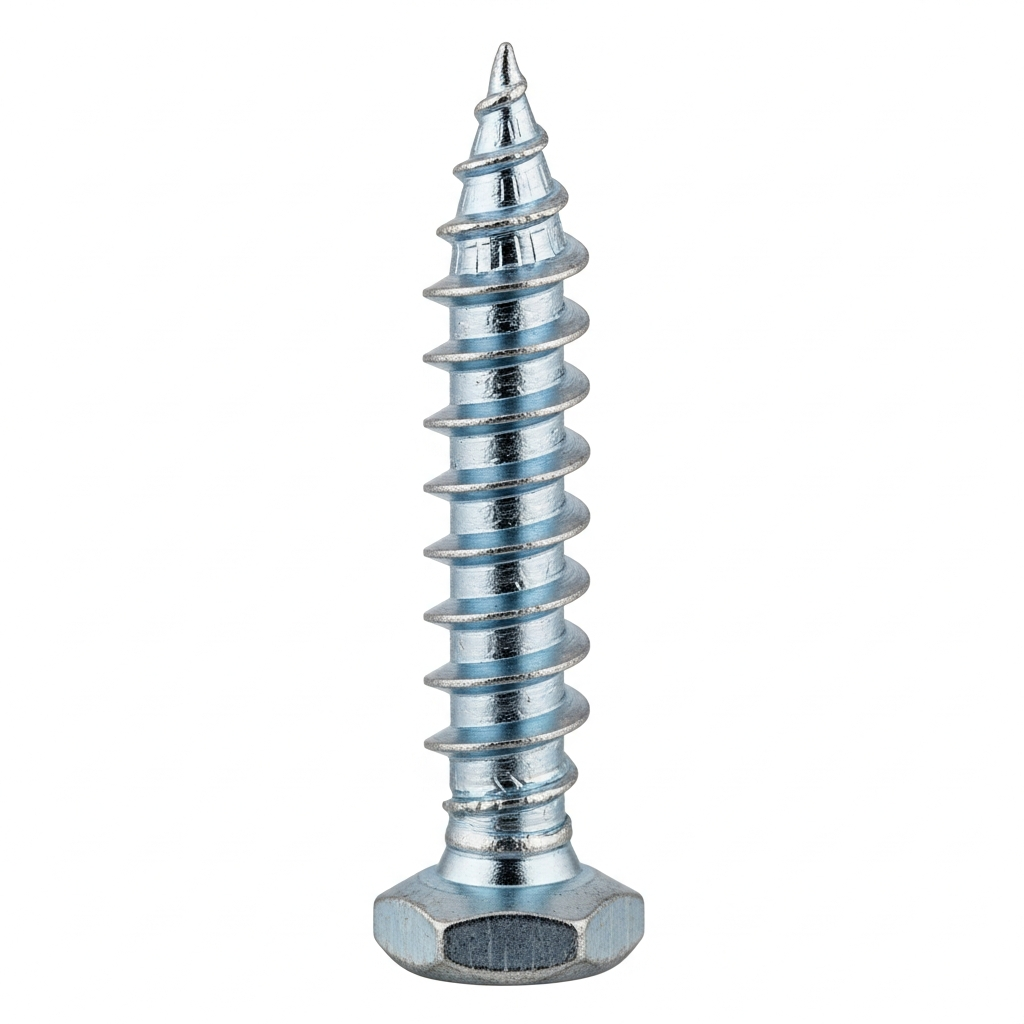
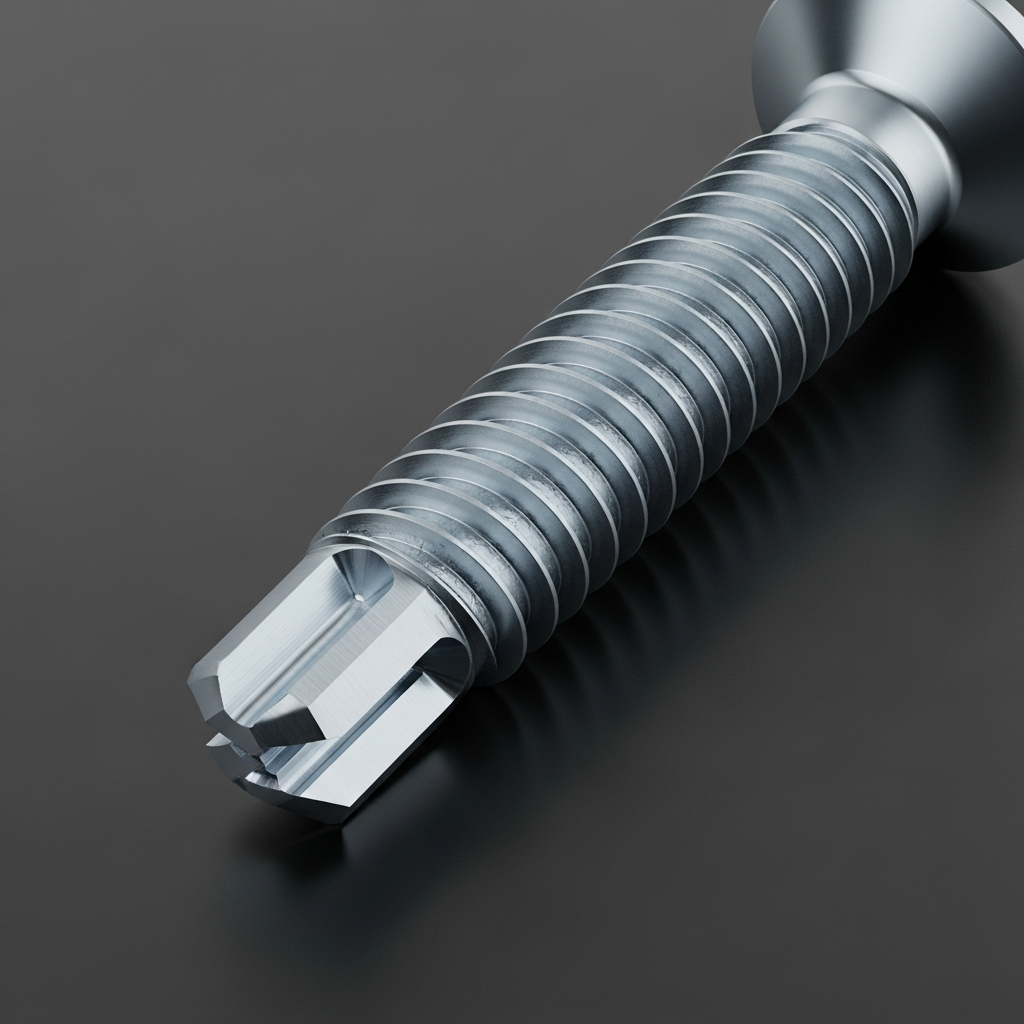
The tip design dictates the screw’s ability to bite into the ice. Modern profiles utilize three or four precision-milled teeth engineered to cut rather than fracture the surface. A proper initial bite means the screw engages with minimal inward pressure, allowing it to hold its own weight after just a half-turn. When inspecting budget options, ensure the teeth are aggressively angled and free of manufacturing burrs.
Thread Profile and Core Ejection
High-quality threads feature a reverse taper, meaning the outer diameter is slightly wider at the cutting teeth than near the hanger. This taper reduces friction as the tube penetrates the ice, preventing binding in dense or wet conditions. Polished internal surfaces are equally important to ensure smooth core ejection and prevent ice from jamming inside the main tube.
Hangers and Crank Handles
In 2026, an integrated, color-coded crank handle is a standard baseline feature, even on budget models. This mechanism allows rapid 360-degree rotation, which is mandatory when placing protection under physical strain on vertical ice. The hanger itself must provide a high clip-in point and offer enough clearance to accommodate two carabiners smoothly.
Sizing Strategy and Rack Building
Ice screws are manufactured in lengths ranging from 10cm to 22cm. Building a functional and budget-conscious rack requires selecting lengths based on standard placement scenarios.
- 10cm to 13cm (Short): Deployed in thin ice where longer tubes would strike underlying rock. Modern pull-testing confirms that a 13cm screw provides high holding power in dense, good-quality ice. These shorter lengths are often the most affordable additions to a rack.
- 16cm (Medium): The standard length for the vast majority of placements. To maximize a limited budget, the core of your rack should consist of 16cm screws. They provide an optimal balance of holding power and ease of placement across varied seasonal ice conditions.
- 19cm to 22cm (Long): Reserved for establishing V-threads (Abalakov anchors) for descents or building primary belays in aerated, sun-exposed ice. A standard rack typically only requires one or two screws of this length.
System Integration and Related Gear
Ice protection functions within a broader safety chain. Managing objective hazards like falling ice requires appropriate head protection; refer to our guide on the 7 Best Climbing Helmets for Large Heads: Top-Rated Safety Picks for 2026.
Maintaining joint mobility and core temperature is a direct safety factor when manipulating sharp equipment on lead. Combine a proper winter harness with the Best Climbing Pants Under $80, and block wind exposure with options from our 7 Best Mountaineering Jackets for High Winds. While indoor climbers rely on the Best Dynamic Ropes for Indoor Gyms, ice climbing specifically requires dry-treated half or twin ropes to prevent water absorption and freezing. Finally, if your route involves mixed alpine terrain, supplement your ice screws with the Top 7 Best Trad Climbing Cams for Narrow Cracks.
Maintenance and Rust Prevention
Sub-$100 chromoly steel screws offer excellent performance but are highly susceptible to oxidation. Proper maintenance extends their operational lifespan and preserves their cutting efficiency.
Dry all hardware thoroughly after every climb. Never store steel screws in a sealed pack, a damp rope bag, or a plastic bin. Apply a light coat of machine oil or a water-displacing rust inhibitor before off-season storage. Tooth sharpness must also be actively maintained; use a small bastard file to touch up the cutting angles, ensuring the screw continues to bite aggressively into hard ice.
Frequently Asked Questions (FAQ)
Are budget steel ice screws safe for lead climbing?
Yes. As long as the equipment carries CE or UIAA certification from a recognized manufacturer (such as Petzl, Black Diamond, Camp, or Grivel), a budget steel screw meets the exact same baseline breaking strength requirements as a premium titanium model. Price differences reflect weight, materials, and handle engineering rather than a reduction in safety ratings.
How many screws are required for a standard pitch?
A standard 30-meter pitch of water ice generally requires a rack of 10 to 14 screws. This provides sufficient gear for placements every few meters, while reserving two to three screws for establishing a multi-point, load-distributing anchor at the belay stance.
When should an ice screw be retired?
Retire a screw immediately if the main tube is bent, the hanger exhibits cracks or deep structural corrosion, or the external threads are flattened beyond repair. Minor tooth dulling is an expected part of regular use and can be resolved through filing, but damage that prevents smooth engagement compromises the entire safety system.