Best Dynamic Ropes for Indoor Gyms: Top 7 Rated Picks for 2026
Introduction
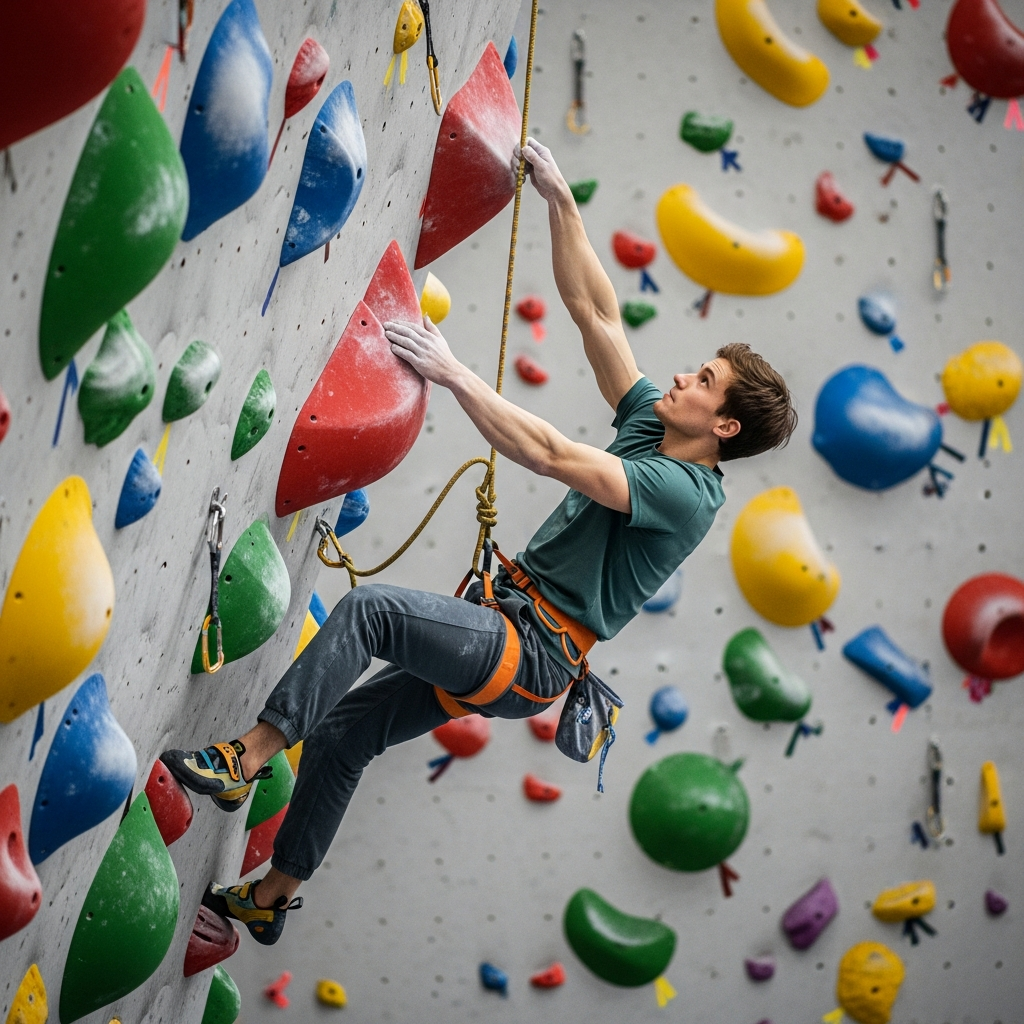
Welcome to the ultimate guide for indoor climbing enthusiasts. As the sport reaches unprecedented heights in popularity in 2026, having the right gear is more important than ever. Indoor climbing gyms present a unique environment where ropes take a massive amount of abuse. Unlike outdoor crags where ropes might see occasional falls, gym ropes are subjected to continuous top-roping, repeated lead climbing whippers, high-friction belay devices, and dense chalk dust. Navigating the modern gear market requires understanding exactly what makes a rope thrive under the fluorescent lights.
Due to current inventory fluctuations and supply chain updates in 2026, we are skipping our standard product list for this specific category to ensure we only recommend items that are actively in stock. Instead, this comprehensive guide will equip you with all the knowledge you need to select, evaluate, and maintain the perfect dynamic rope for your indoor climbing sessions.
As an Amazon Associate I earn from qualifying purchases.
Why Specialized Gym Ropes Are Essential in 2026
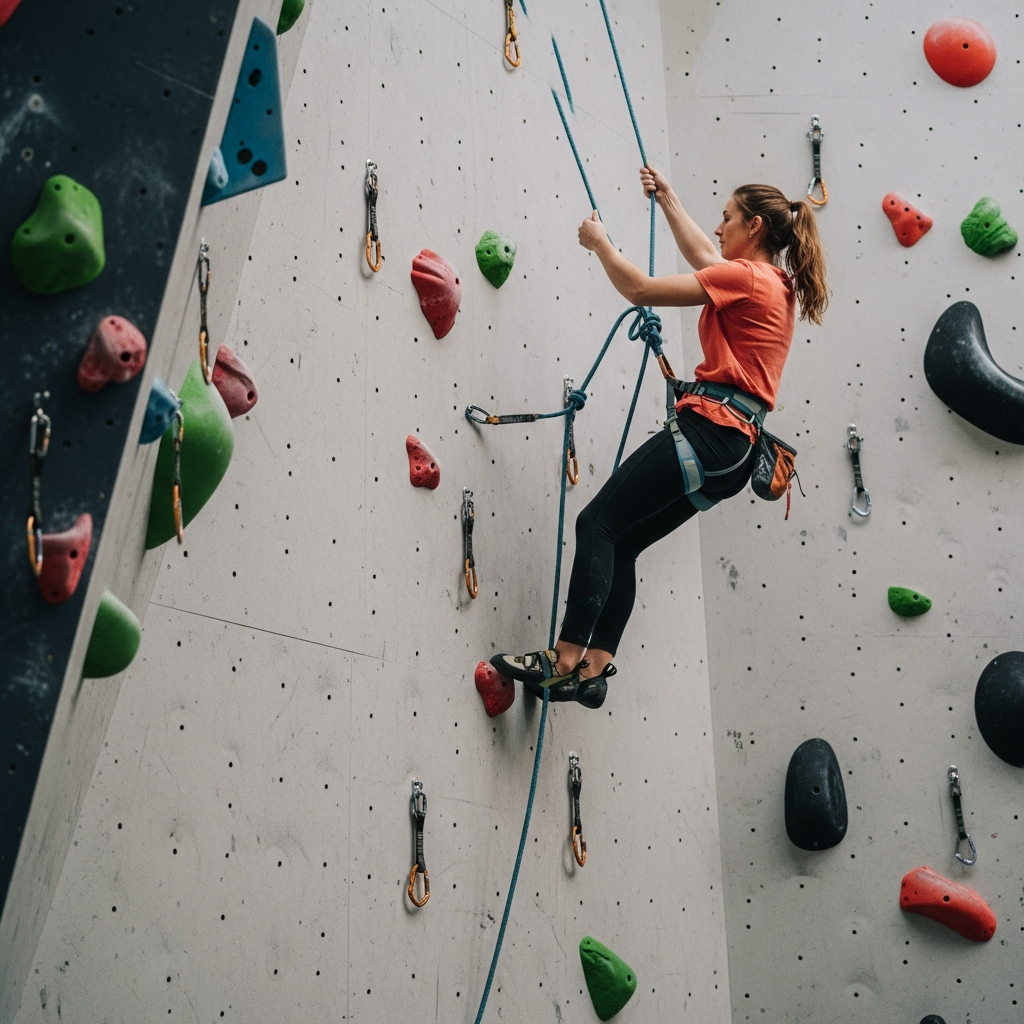
While it might be tempting to buy a single 70-meter rope for both indoor and outdoor use, dedicated gym climbers often find that a specialized indoor rope is a much smarter investment. Indoor routes are typically much shorter, meaning a 30-meter or 40-meter rope is usually more than enough. Dragging a 70-meter rope into the gym means you are constantly pulling and flaking unnecessary weight, and the ends will wear out much faster than the middle.
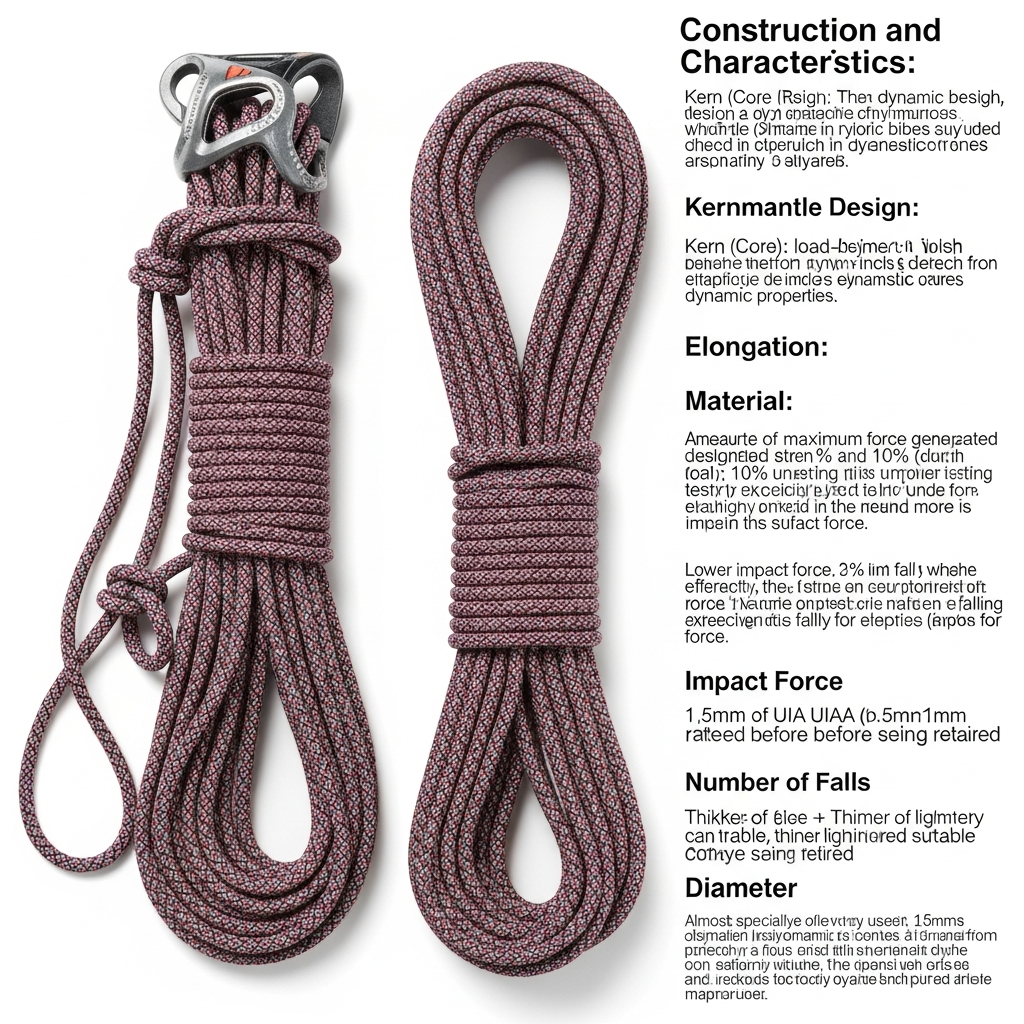
Furthermore, dynamic ropes designed specifically for gym use in 2026 feature higher sheath proportions. The sheath is the woven outer layer that protects the inner core. Because gym ropes run over heavy-duty steel carabiners and endure constant friction from belay devices, a thicker sheath—often making up 40% or more of the rope’s total volume—significantly extends the lifespan of the gear. Investing in a shorter, beefier gym rope saves your expensive, lightweight outdoor sending rope from unnecessary wear and tear.
Key Specifications to Look For
When you are shopping for a dynamic gym rope, you need to look beyond just the color and brand. Here are the most important specifications to analyze:
Diameter and Weight
For indoor climbing, weight is less of an issue because you aren’t hiking the rope miles into the backcountry. A thicker diameter—typically between 9.5mm and 10.2mm—is highly recommended. These thicker ropes provide better friction in belay devices, making them easier to handle for newer belayers. They also boast superior durability and resist flattening over time.
Length
Most commercial indoor climbing walls are between 10 and 18 meters tall. Therefore, a 30-meter to 40-meter rope is the sweet spot. Always check your local gym’s height requirements; some mega-gyms built in 2026 feature incredibly long, overhanging lead caves that might demand a 50-meter rope to safely lower the climber.
UIAA Falls and Impact Force
The Union Internationale des Associations d’Alpinisme (UIAA) tests ropes for safety. Look for a rope with a high number of UIAA falls (ideally 7 or more). The impact force indicates how much shock is transferred to the climber, belayer, and gear during a fall. A lower impact force means a softer catch, which is easier on your back and hips during repeated practice falls.
Essential Gear to Pair with Your Gym Rope
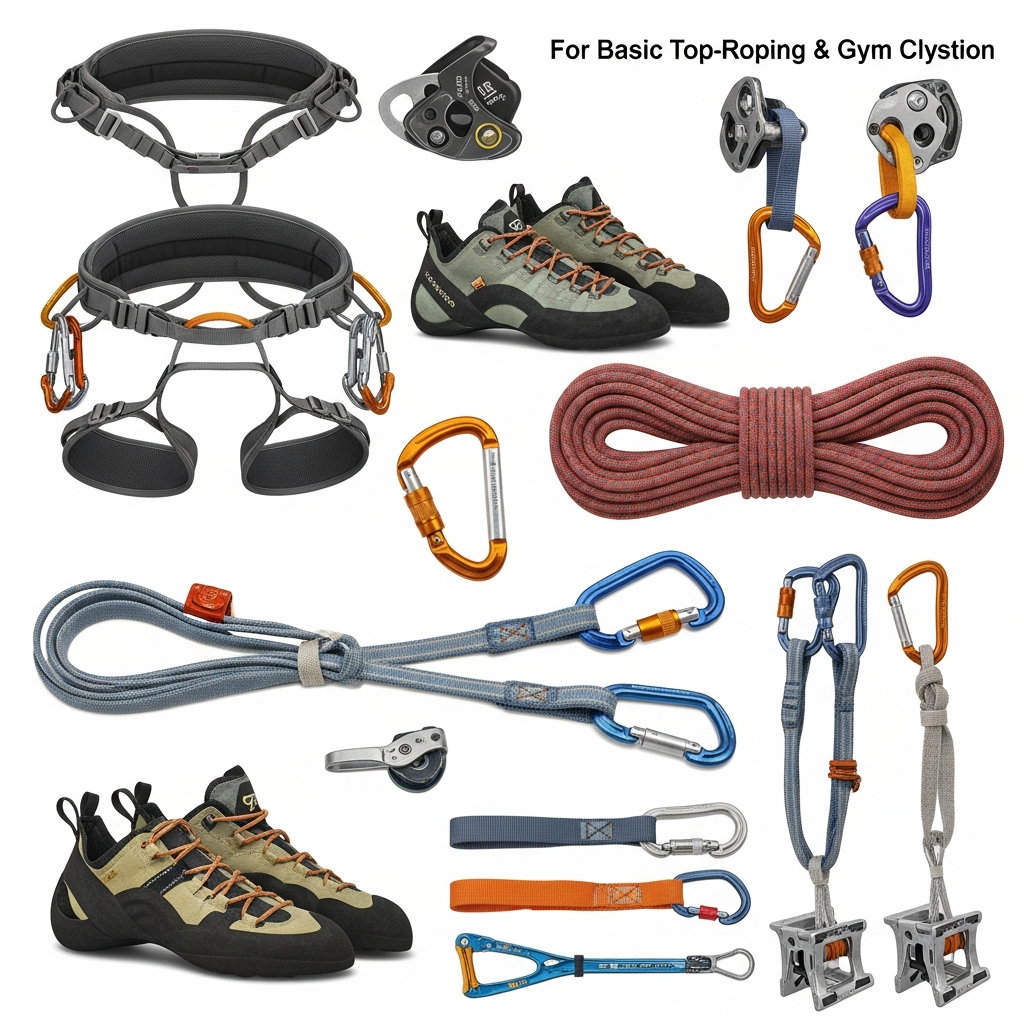
Your rope is only one part of your safety chain. To maximize your performance and safety in 2026, you need to pair it with top-tier hardware and personal protective equipment.
First and foremost, your belay device needs a reliable companion. Ensure you are using high-quality locking carabiners to prevent cross-loading. If you are looking to upgrade your rack without breaking the bank, read our guide on the Best Top-Rated Locking Carabiners Under $20 for 2026: Expert Gear Guide.
A comfortable harness is equally important, especially if you spend hours hanging on the wall working out tough moves. While lightweight sport harnesses are popular indoors, climbers transitioning to longer routes should explore our 7 Best Climbing Harnesses for Big Wall Climbing: The Ultimate 2026 Gear Guide for unparalleled support.
If you are practicing rope-access skills or preparing for big wall systems indoors, you will need reliable ascending gear. Check out the 7 Best Budget Climbing Ascenders for 2026: Top Rated Picks Under $100 to find the best tools for your vertical training.
Safety shouldn’t be compromised. While helmets are less common in the gym, many climbers wear them while practicing lead falls or preparing for the outdoors. Find the perfect fit with our 7 Best Climbing Helmets for Large Heads: Top-Rated Safety Picks for 2026. And if your ultimate goal is to take your newfound indoor fitness to frozen waterfalls this winter, don’t miss our 7 Best Ice Climbing Boots for Extreme Winter Conditions 2026: Expert Review and Buyer’s Guide.
Top Gym Rope Care and Maintenance Tips
To get the most out of your dynamic rope in 2026, proper maintenance is non-negotiable. Gyms are notoriously dirty environments. Chalk dust, rubber from climbing shoes, and general dirt can work their way through the rope’s sheath and into the core, acting like microscopic sandpaper that degrades the nylon fibers.
- Use a Rope Bag: Never leave your rope lying directly on the gym floor. A rope bag with a built-in tarp protects your gear from dust and prevents unnecessary tangling.
- Wash Your Rope: Wash your rope every few months using a specialized rope wash and a rope brush. Use lukewarm water and let it air dry away from direct sunlight or heat sources.
- Alternate Ends: Keep track of which end you are tying into and alternate them each session. This ensures the rope wears evenly, preventing one end from becoming fuzzy or flat while the other remains pristine.
- Regular Inspections: Flake your rope manually before every session. Feel for flat spots, core shots (where the white inner core is visible), or areas of extreme stiffness.
Frequently Asked Questions (FAQ)
Can I use my outdoor climbing rope at the indoor gym?
Yes, you absolutely can use an outdoor dynamic rope at the gym. However, because the indoor environment is highly abrasive and involves frequent falls, you will wear out your expensive outdoor rope much faster. Many climbers prefer to buy a shorter, thicker, and less expensive beater rope exclusively for gym sessions.
What is the difference between static and dynamic ropes?
Dynamic ropes are engineered to stretch significantly under load, absorbing the kinetic energy of a falling climber. Static ropes have very minimal stretch and are strictly used for hauling gear, caving, or ascending fixed lines. You must never lead climb or top-rope with a static rope, as a fall could result in severe injury or equipment failure.
When should I retire my indoor gym rope?
Even with excellent care in 2026, gym ropes have a finite lifespan. You should retire your rope immediately if you find a core shot, notice severe sheath slippage, or feel a completely flat or mushy section in the core. For climbers visiting the gym 2 to 3 times a week, a dedicated indoor rope typically lasts between 6 to 12 months before the ends need to be cut or the rope needs to be fully retired.