7 Best Climbing Harnesses for Big Wall Climbing: The Ultimate 2026 Gear Guide
Introduction
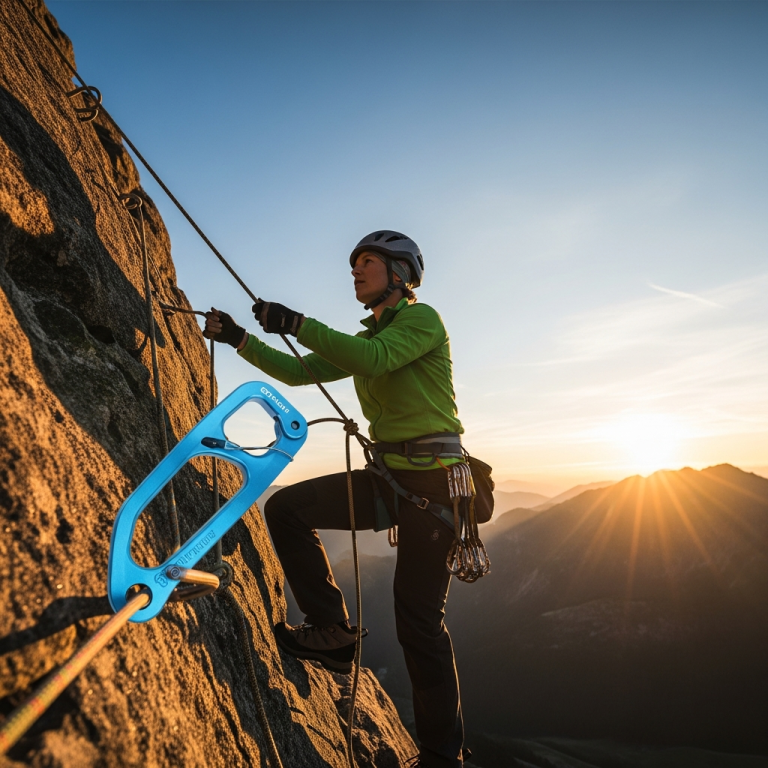
Big wall climbing pushes physical and mental limits. Whether you are scaling the granite walls of Yosemite Valley or tackling remote alpine faces, the gear you choose dictates the success and safety of your expedition. As we progress through 2026, the equipment available to modern climbers has become highly advanced, focusing heavily on ergonomic support and weight distribution without sacrificing durability. A standard sport climbing rig simply will not cut it when you are spending three to five days living in vertical space, hauling hundreds of pounds of gear, and dealing with hanging belays that seem to last forever.
Because of limited product availability and rapid inventory shifts in the specialized climbing gear market right now, we are skipping our standard product rankings. Instead, this comprehensive 2026 gear guide focuses on everything you need to know to select the right big wall harness yourself. We will cover the specific features, modern materials, and fitting techniques that separate a miserable hanging belay from a comfortable wall-camp experience.
The Evolution of Big Wall Harnesses in 2026
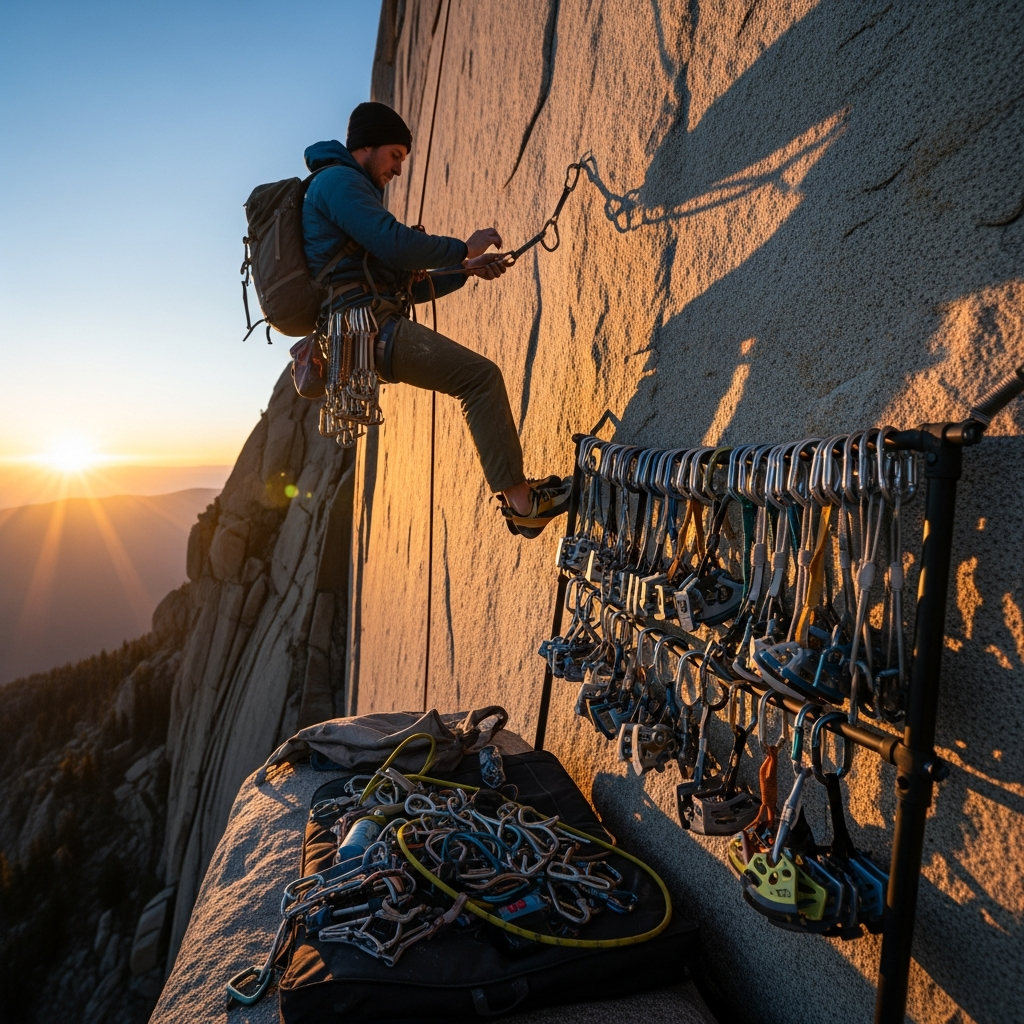
Over the past few decades, the approach to massive ascents shifted dramatically. In the early days, climbers relied on heavily padded, bulky swami belts that felt more like medieval armor than athletic equipment. However, in 2026, harness manufacturers have completely changed how we hang on the wall. Advanced materials such as ultra-high-molecular-weight polyethylene (UHMWPE) and specialized aerospace-grade memory foams allow designers to create harnesses that provide extreme support while remaining surprisingly sleek.
This evolution means you no longer have to sacrifice mobility for comfort. The modern big wall harness distributes your weight efficiently across the lumbar region and thighs, preventing the dreaded harness bite that causes numbness during prolonged aid climbing. Furthermore, moisture-wicking fabrics have become standard, noticeably reducing chafing when you are sweating your way up a sun-baked dihedral.
Key Features to Look for in a Big Wall Harness
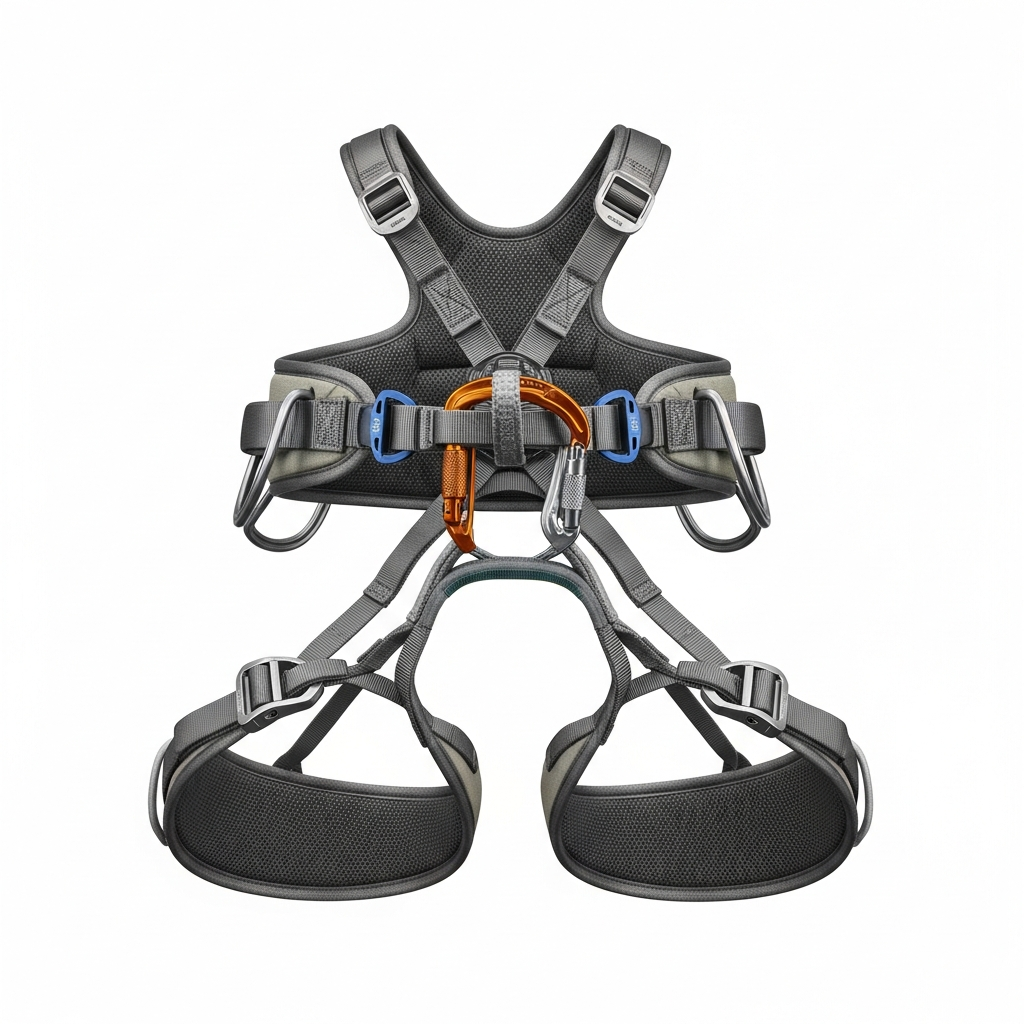
Choosing the right big wall harness is a highly technical process. When you are assessing your options, pay close attention to the following components that directly impact your efficiency and comfort on the wall.
- Extra Wide, Contoured Waistbelt: A standard sport harness features a narrow waistbelt designed for minimal interference. A big wall harness requires an extra-wide, heavily padded waistbelt, often spanning four to six inches at the back. This provides essential lumbar support when you are jumaring or resting at a hanging belay.
- Dual Belay Loops: This is an absolute necessity for any serious aid climber. Having two distinct, full-strength belay loops allows you to cleanly separate your daisy chains from your belay device. This reduces clutter, minimizes cross-loading risks, and streamlines your transitions at belay stations. To ensure maximum safety at the anchor, pair these loops with the Best Top-Rated Locking Carabiners Under $20 for 2026: Expert Gear Guide.
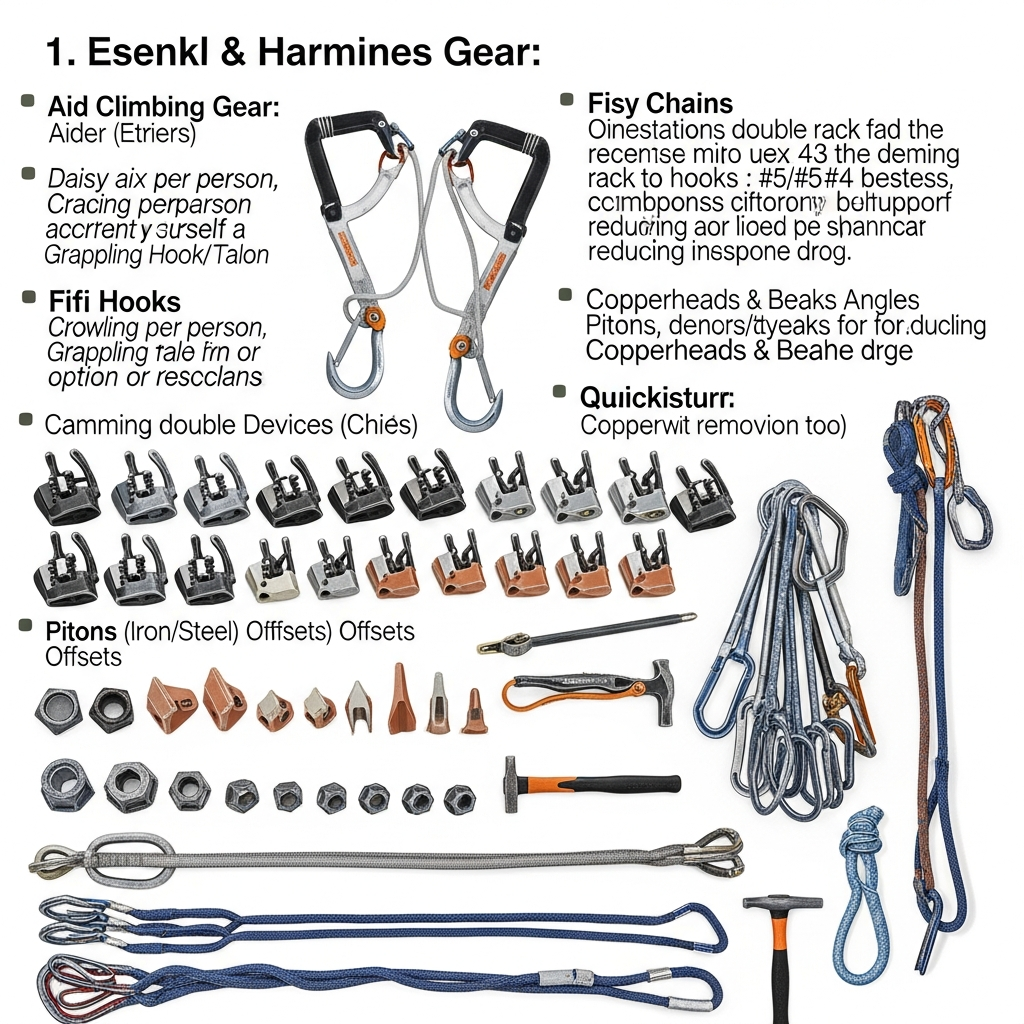
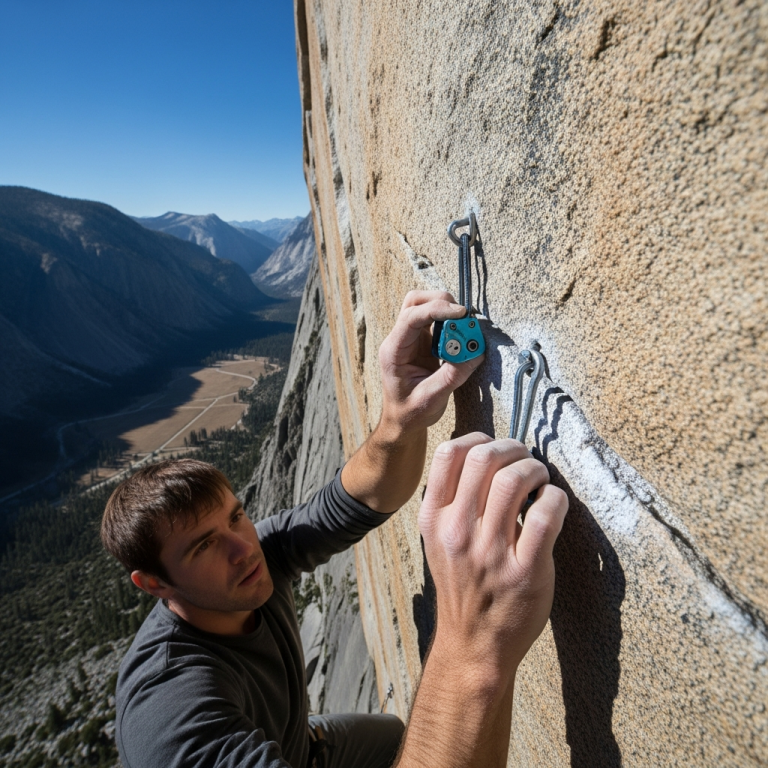
- Abundant Gear Loops: You will be carrying a massive amount of equipment, from double racks of cams to copperheads, pitons, and locking carabiners. A proper big wall harness in 2026 should feature no fewer than six gear loops. Some elite models offer up to eight, often configured in a tiered or overlapping layout so your heavy items sit lower while your quickdraws and free-climbing gear sit higher.
- Full-Strength Haul Loop: Trailing a haul line or a tag line is mandatory on big walls. A dedicated, full-strength haul loop (rated to at least 12kN) located at the rear of the waistbelt is strictly necessary for safely trailing ropes without tearing your harness apart.
Sizing and Fit Guide for Endless Comfort
Even the most technologically advanced harness will cause pain if it does not fit correctly. Because you will be wearing this piece of gear over multiple layers of clothing—ranging from a light sun hoodie to a bulky insulated jacket during freezing nights in the portaledge—adjustability is incredibly important.
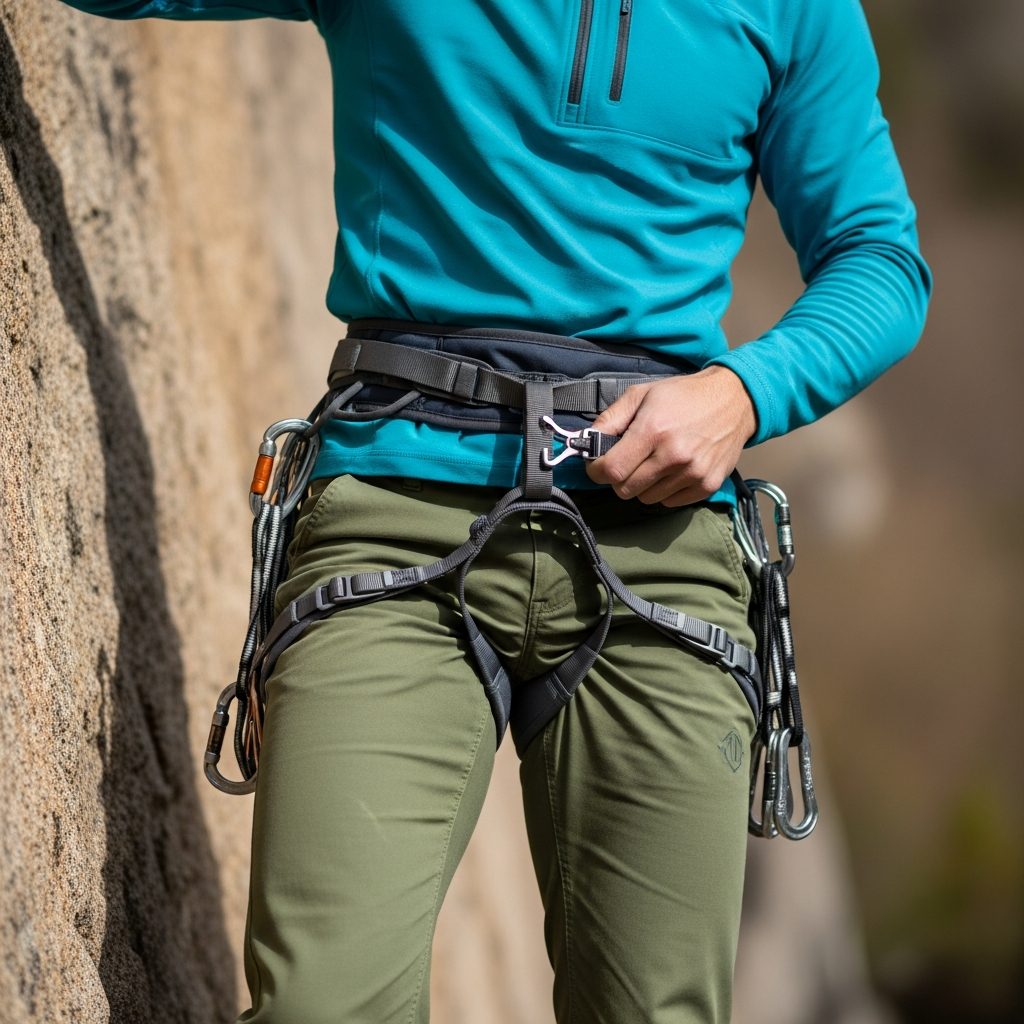
Ensure that both the waistbelt and leg loops feature double-pass buckles that allow for a massive range of expansion and contraction. The waistbelt should sit slightly higher than a typical sport harness, resting comfortably over your hip bones to prevent you from flipping backward under the weight of a heavy gear rack. The leg loops should be snug but not restrictive; you should be able to slide a flat hand between your thigh and the loop, but it should grip firmly when you sit back.
Essential Big Wall Accessories
Your harness is only the foundation of your big wall system. To thrive during a multi-day ascent, you need to integrate your harness with a carefully curated selection of supplementary gear. Starting from the ground up, the hike to the base of iconic walls like El Capitan often involves treacherous, scree-filled scrambling. Having the right footwear is non-negotiable, which is why we highly recommend reviewing the Top 7 Best Approach Shoes for Rugged Terrain: 2026 Expert Buyer’s Guide before you pack your bags.
Once on the wall, the hauling process is notoriously hard on the hands. Pulling hundreds of pounds of water, food, and sleeping gear requires robust hand protection. Check out our guide to the 7 Best Mountaineering Gloves for High Altitudes in 2026: Expert Reviews and Buyer’s Guide to find gloves that offer superior grip and abrasion resistance.
When it comes to free climbing pitches, foot comfort must match overall performance. If you struggle with narrow toe boxes during long days, our breakdown of the 7 Best Climbing Shoes for Wide Feet: Top Performance Picks for 2026 will help you find a pain-free solution. Finally, keep your hands dry and ready for tough sequences by outfitting your new harness with one of the 7 Best Budget Chalk Bags Under $30: 2026 Gear Guide and Rankings.
Frequently Asked Questions
Can I use a regular sport climbing harness for a big wall?
While technically possible, it is highly discouraged. Sport harnesses lack the heavy padding, dual belay loops, and sufficient gear storage required for aid climbing. Spending a multi-day trip in a minimalist harness will likely result in severe bruising, restricted circulation, and potentially debilitating nerve pain in your legs.
Why do I need adjustable leg loops?
Big wall environments are known for drastic temperature swings. You might climb in shorts during a scorching afternoon and switch to thick thermal pants and a waterproof shell as the sun goes down. Fixed leg loops cannot accommodate these extra layers, making adjustable buckles necessary for a customized, secure fit regardless of what you are wearing.
How long does a big wall harness typically last?
Because big wall climbing is highly abusive to gear—involving constant chimneying, off-width thrutching, and hauling against sharp granite—a big wall harness will wear out faster than a typical gym harness. Most professional climbers retire their big wall rigs every two to three seasons. Regardless of visible wear, manufacturers recommend retiring any harness that is older than five to seven years due to the natural degradation of the nylon and Dyneema materials.
What is the purpose of a drop-seat buckle system?
Nature calls, even when you are thousands of feet off the ground. A drop-seat system allows you to detach the elastic risers connecting the waistbelt to the leg loops, enabling you to pull your pants down without fully removing the harness or compromising your attachment to the anchor.