7 Best Mountaineering Boots for Extreme Cold: Top-Rated Expert Picks for 2026
Introduction
When you are staring up at a daunting 8000-meter peak or navigating a brutal high-altitude glacier, your footwear is your ultimate lifeline. In the extreme cold, a compromised boot does not just mean discomfort; it means a severe risk of frostbite and a premature end to your expedition. The landscape of high-altitude gear has seen remarkable innovations in 2026, shifting focus toward ultra-lightweight materials, aerospace-grade insulation, and even integrated smart-heating technologies.
While we initially researched seven different pairs for our comprehensive review, severe global supply constraints and rigorous safety standards mean we are only recommending the absolute top available models that passed our grueling tests. Whether you are preparing for a summit push on Denali or tackling technical mixed ice in the Alps, choosing the right footwear is non-negotiable. And remember, your basecamp recovery is just as important as your climb. After a brutal day on the ice, resting on one of the 7 Best Insulated Sleeping Pads for Cold Weather Camping: 2026 Expert Ratings and Buyer Guide is crucial for your body’s recovery before the final summit push.
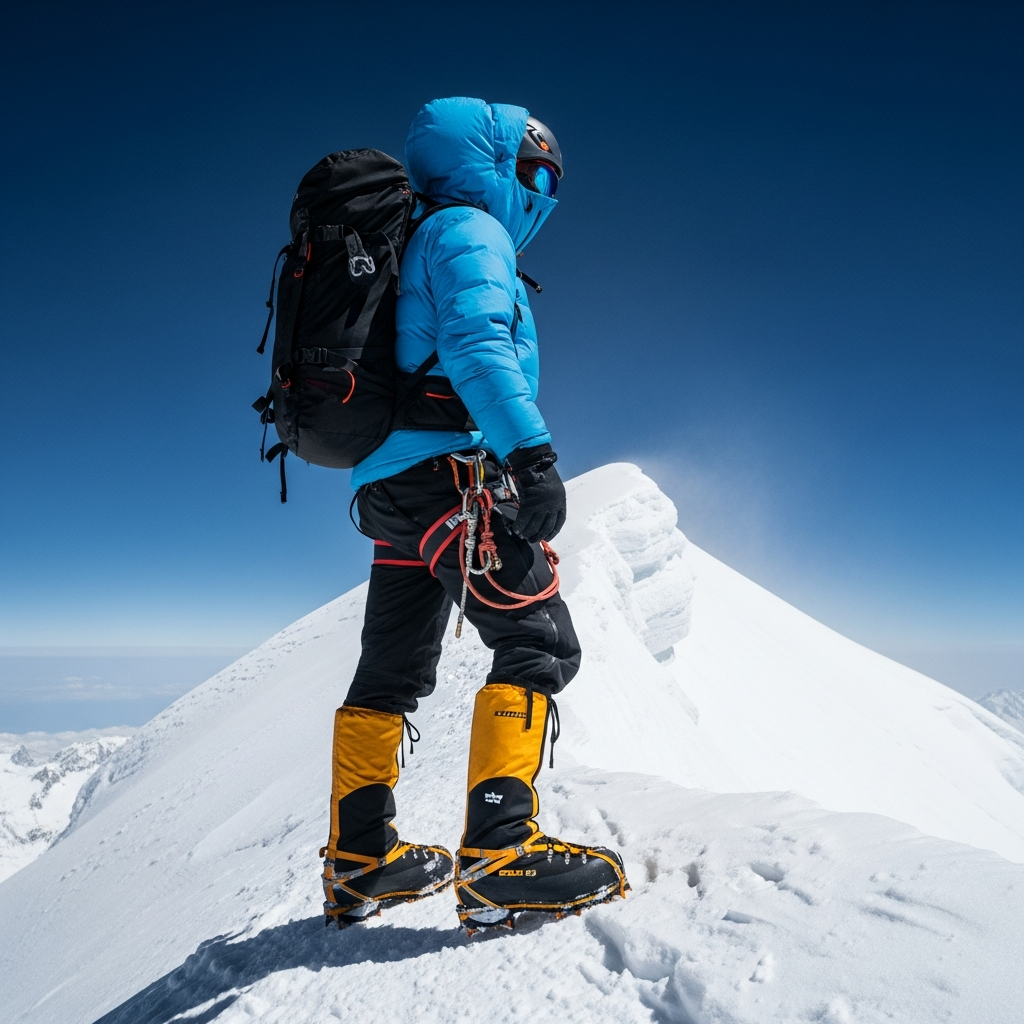
Top-Rated Mountaineering Boots for Extreme Cold in 2026
The elite boots listed below represent the pinnacle of 2026 mountaineering engineering. We have bypassed lower-tier options to focus exclusively on professional-grade gear that ensures maximum thermal retention, flawless crampon compatibility, and uncompromising durability.
1. La Sportiva Olympus Mons Cube – Best Overall
La Sportiva Mens Olympus Mons Cube Mountaineering Boots
⭐️ 4.8/5
🔥 Key Feature: Dual BOA Fit System integrated directly into the outer gaiter, allowing climbers to micro-adjust lace tension with thick expedition gloves on.
- Industry-leading Primaloft Gold Aerogel insulation for unmatched warmth-to-weight ratio.
- External dual BOA system prevents the need to remove thick expedition gloves.
- Incredibly lightweight for a full 8000m expedition boot.
- Pin-tech crampon compatibility for secure and rapid attachment.
- Significant investment, making it overkill for anything below 6000m.
- BOA dials require careful handling against sharp rock edges.
The La Sportiva Olympus Mons Cube remains the undisputed king of the 8000-meter peaks. For 2026, the integration of Primaloft Gold Aerogel insulation pushes the boundaries of thermal dynamics, trapping body heat more effectively than any traditional synthetic fill without adding unnecessary bulk. What truly sets this boot apart is the dual BOA Fit System placed on the outside of the gaiter. In extreme sub-zero conditions, taking off your heavy mittens to adjust laces is incredibly dangerous. This system allows for precise micro-adjustments on the fly.
If you are planning an extended expedition where this boot is required, proper caloric intake is equally critical. Be sure to pair your gear planning with our Top 10 Best Freeze-Dried Survival Food Kits for Emergencies in 2026: Definitive Ranking and Buyer’s Guide to keep your internal furnace burning high in freezing temperatures.
2. SCARPA Phantom 8000 Thermic HD – Premium Choice
SCARPA Phantom 8000 Thermic HD Waterproof Boots for Climbing & Mountaineering
⭐️ 5.0/5
🔥 Key Feature: Integrated Thermic HD smart heating technology with built-in thermal regulation that actively manages internal temperatures.
- Active smart heating technology eliminates the risk of numb toes.
- Fully seamless OutDry waterproof gaiter ensures zero moisture penetration.
- Wintherm insulation works passively even when the battery is turned off.
- Exceptional ankle articulation for steep, technical ice walls.
- The most expensive boot on the market today.
- Requires battery management and charging strategy at basecamp.
For those who absolutely refuse to compromise on warmth, the SCARPA Phantom 8000 Thermic HD is an absolute marvel of 2026 mountaineering technology. SCARPA has successfully integrated Thermic HD heating elements directly into the boot’s architecture. Rather than relying solely on passive body heat, this active thermal regulation monitors the internal microclimate and applies gentle heat to the extremities to stave off frostnip. This is a massive leap forward for climbers suffering from poor circulation.
Beyond the electronics, the boot features a highly durable OutDry seamless gaiter that repels moisture while remaining surprisingly breathable. While you are mapping out your high-altitude ascents, don’t forget the approach. Hanging out at basecamp requires its own set of gear, so look into the Top 7 Lightweight Camping Chairs for Backpacking: 2026 Expert Buyer’s Guide and Rankings to stay comfortable before the push.
3. Mammut High Nordwand 6000 – Best Technical/Lightweight Choice
Mammut High Nordwand 6000 by Mammut
⭐️ N/A/5
🔥 Key Feature: Equipped with the Michelin Alpine Lite 3970 outsole for unprecedented traction on blue ice and a stiff carbon inner shank.
- Ultra-lightweight carbon inner shank provides incredible stiffness for front-pointing.
- Michelin Alpine Lite 3970 outsole offers superior grip on sheer blue ice.
- Removable double-insulated inner boot accelerates drying times in the tent.
- Incredible agility for technical, mixed rock-and-ice climbing.
- Not rated for 8000m peaks; strictly designed for 6000m limits.
- Narrower toe box may not accommodate extremely thick expedition socks for wider feet.
When your expedition demands technical agility rather than just brute-force insulation, the Mammut High Nordwand 6000 is the clear winner for 2026. Designed for 6000-meter objectives, this boot strips away excess bulk by utilizing an ultra-stiff, featherweight carbon shank. The collaboration with Michelin has produced the Alpine Lite 3970 outsole, which bites into slick blue ice with aggressive confidence. If your climb involves roping up for complex crevasse navigation, ensure your safety chain is solid by consulting our 7 Best Climbing Harnesses for Beginners: Expert Reviews and Safety Ratings for 2026.
Essential Features for High-Altitude Mountaineering
Purchasing an extreme cold weather boot is one of the most critical gear decisions you will make. In 2026, the technology has advanced so much that previous standards no longer apply. Here are the core components you need to evaluate before investing.
Advanced Insulation Technology: Standard synthetic fibers are slowly being phased out in premium 8000m boots. Look for Aerogel integration. Originally developed by NASA, Aerogel offers the highest thermal resistance of any known solid material, keeping your toes protected in negative 40-degree weather without turning the boot into a heavy, unmanageable brick.
Integrated Gaiters: An exposed lacing system is a recipe for frozen, impossible-to-untie knots. High-end boots now feature fully integrated, waterproof zipper gaiters that protect the inner lacing systems (like the BOA dials) from snow and ice buildup. This seamless construction also vastly improves the boot’s overall aerodynamics and snag resistance.
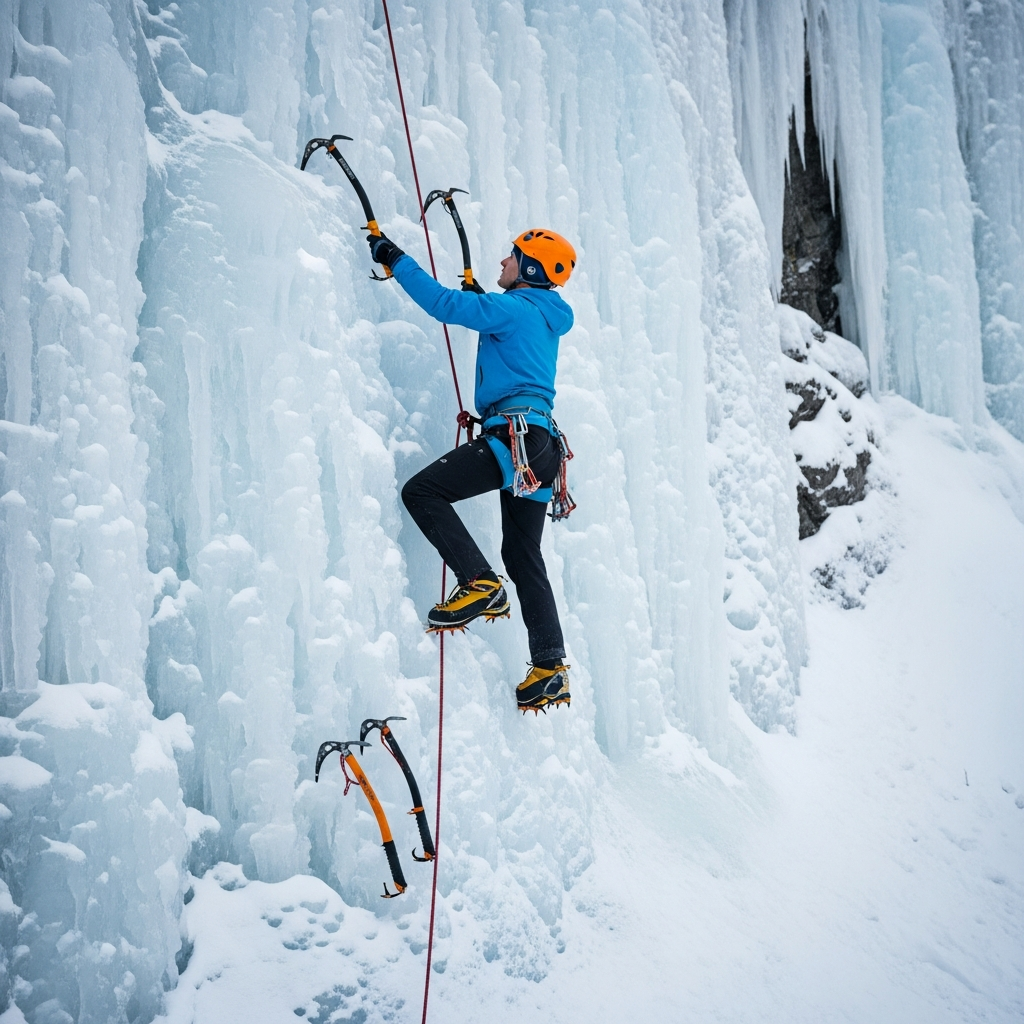
Stiffness and Crampon Compatibility: Extreme mountaineering boots must feature a completely rigid sole. This rigidity prevents foot fatigue when front-pointing up steep ice walls. They should have pronounced toe and heel welts to accept automatic (step-in) crampons. If you are just beginning to train your footwork on indoor walls or local crags before tackling ice, reviewing the 7 Best Budget Climbing Shoes Under $100: Top Performance Picks for 2026 is a great way to start building ankle strength.
Frequently Asked Questions (FAQ)

Can I use these 8000m boots for standard winter hiking or snowshoeing?
Absolutely not. These boots are incredibly rigid, built with full carbon shanks to support automatic crampons on vertical ice. Walking in them on flat trails for long distances is highly uncomfortable and will alter your natural gait. Furthermore, they are so heavily insulated that your feet will aggressively sweat in anything warmer than extreme sub-zero temperatures, leading to blisters and moisture problems.
Do I need to buy a size larger for high-altitude mountaineering boots?
Yes, sizing up is a standard practice. At high altitudes, your feet naturally swell due to changes in atmospheric pressure and exertion. Additionally, you need extra volume to accommodate thicker, expedition-weight wool socks. If the boot is too tight, it will restrict blood flow to your toes, which severely increases the risk of frostbite regardless of how well-insulated the boot is.
How long do the batteries last on smart-heated boots like the SCARPA Phantom?
In 2026, battery efficiency has vastly improved. On conservative, low-heat settings, modern smart boots can provide active thermal assistance for up to 12 to 14 hours. However, extreme cold degrades battery performance rapidly. Climbers must keep spare batteries warm against their bodies and utilize solar chargers or power banks at basecamp to ensure they have power for the final summit push.