7 Best High-Capacity Solar Panels for RV and Vanlife: 2026 Performance and Efficiency Rankings
Introduction

As we navigate through 2026, the landscape of off-grid living and vanlife has evolved significantly. Gone are the days of noisy, gas-guzzling generators and constant battery anxiety. Today, high-capacity solar panels have become the ultimate lifeline for digital nomads, full-time RVers, and weekend warriors alike. With breakthroughs in photovoltaic cell architecture and smart energy management systems, harvesting the sun’s energy has never been more efficient or user-friendly.
Whether you are running an induction cooktop, powering a mobile office, or keeping your air conditioning unit humming in the dead of summer, having a robust solar array is no longer a luxury—it is a fundamental requirement for extended off-grid travel. However, matching your solar setup to your specific vehicle and energy consumption requires careful consideration. Space on an RV roof is premium real estate, meaning you need panels that offer maximum wattage per square inch, superior heat dissipation, and the durability to withstand highway speeds and harsh weather conditions.
This review examines the top high-capacity solar panels specifically designed for RVs and camper vans in 2026. If you want to store all that incredible solar energy efficiently, we highly recommend pairing your new panels with one of our top-rated portable power stations for off-grid camping. Read on to discover the ultimate solar solutions that will keep your adventures powered, no matter how far off the grid you travel.
Top 5 High-Capacity Solar Panels for RV and Vanlife in 2026
After rigorous evaluation of energy conversion rates, durability, and smart integrations, we have narrowed down the market to the five best solar solutions available today. Each of these panels brings a unique set of features tailored to different vanlife builds and power requirements.
1. Best Overall: Renogy 400W 12V RV Solar Panel Kit
Renogy 400W 12V RV Solar Panel Kit
⭐️ 5.0/5
🔥 Key Feature: Comprehensive Smart Off-Grid Hub with seamless Bluetooth integration.
- Massive 400W output for high power demands
- Includes Bluetooth module for real-time app monitoring
- Comes with a high-quality 30A LCD PWM charge controller
- Complete kit ready for immediate installation
- Requires substantial flat roof space
- Total kit weight can impact vehicle payload slightly
Earning the top spot for the best overall solar solution in 2026 is the Renogy 400W 12V RV Solar Panel Kit. Renogy has long been a staple in the vanlife community, but their latest iteration sets a new benchmark for smart energy management. The inclusion of the BT1 Bluetooth Module allows you to monitor your system’s solar yield and battery health in real-time straight from your smartphone. This means you can track exactly how much power you are pulling in while parked under a tree versus direct sunlight, removing all the guesswork from your energy management.
Paired with the reliable Adventurer 30A LCD PWM Charge Controller, this 400W kit provides everything you need to build a formidable off-grid power station. The robust aluminum frame ensures durability against harsh weather, while the high-efficiency monocrystalline cells ensure you are capturing the maximum amount of UV rays possible. If you are building out a full-time living space and need uncompromising reliability, this kit is your absolute best bet.
2. Best Budget: RICH SOLAR 200 Watt 24 Volt 9BB Cell Monocrystalline Solar Panel
RICH SOLAR 200 Watt 24 Volt 9BB Cell Monocrystalline Solar Panel
⭐️ 4.2/5
🔥 Key Feature: 9-Busbar (9BB) Cell Technology for premium energy conversion rates.
- Unbeatable price-to-performance ratio
- Advanced 9BB technology minimizes power loss from shading
- Excellent low-light performance during overcast days
- Highly durable anti-reflective tempered glass
- 24V output requires a compatible MPPT charge controller
- Mounting brackets are not included in the box
If you are working with a tight budget but refuse to compromise on modern technology, the RICH SOLAR 200 Watt panel is an exceptional find. What makes this panel stand out in 2026 is its implementation of 9-Busbar (9BB) cell architecture. Busbars are the thin wires that carry electrical current across the solar cell; having nine of them significantly reduces internal resistance and creates multiple pathways for electricity to flow. This means that even if a leaf or a roof vent casts a small shadow on the panel, the overall power drop is drastically minimized compared to older 5BB panels.
While the 24V architecture means you need to ensure your charge controller is compatible, it offers the distinct advantage of allowing you to run thinner gauge wiring from your roof to your battery bank, saving you money and weight on copper wiring. It is an industrial-grade panel offered at an entry-level price, making it perfect for budget-conscious DIY van builders.
3. Premium Choice: EF ECOFLOW 400W Portable Solar Panel
EF ECOFLOW 400W Portable Solar Panel
⭐️ 4.3/5
🔥 Key Feature: Rugged Portability with IP68 Waterproofing and adjustable kickstand case.
- Fully portable, requiring zero roof installation
- IP68 waterproof rating withstands severe storms
- Kickstand case allows for optimal sun angle tracking
- Incredibly high 400W output for a portable unit
- Premium price tag compared to rigid panels
- Requires manual setup and storage at every campsite
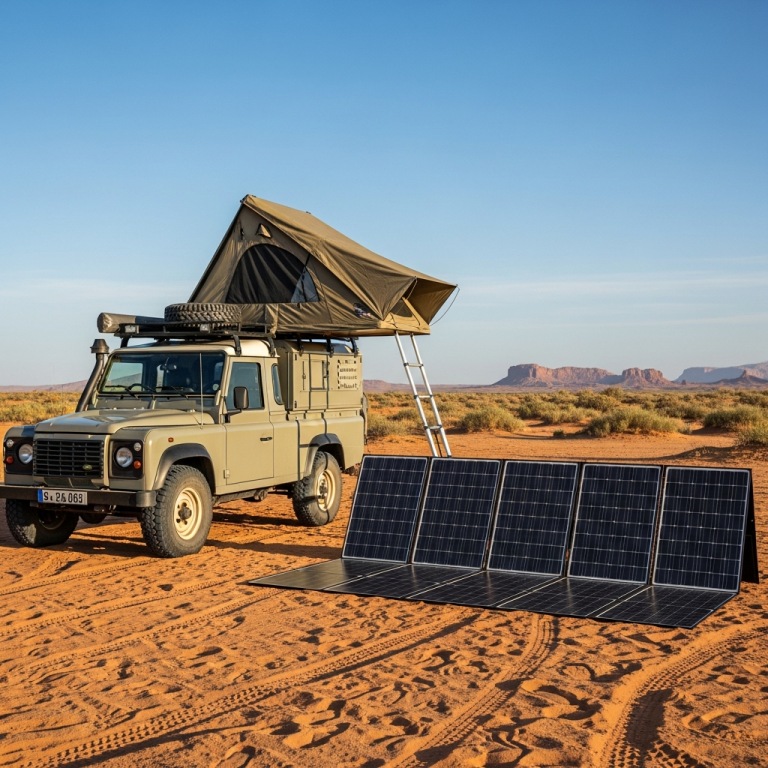
Sometimes, permanently mounting panels on your vehicle’s roof just isn’t viable. Perhaps your van roof is filled with storage boxes, or maybe you prefer parking in the shade while keeping your panels in the sun. Enter the EF ECOFLOW 400W Portable Solar Panel. As the premium choice for 2026, this folding solar powerhouse is designed to be deployed exactly where you need it.
Constructed with an advanced ETFE film, it boasts an IP68 waterproof rating, meaning it can survive surprise downpours and dusty desert winds without breaking a sweat. The included carrying case ingeniously doubles as an adjustable kickstand. This allows you to manually track the sun’s trajectory throughout the day—a technique that can yield up to 30% more power than a flat-mounted roof panel. While it comes with a premium price tag, the flexibility and raw generating power make it an invaluable asset for remote boondocking.
4. Best Advanced Cell Technology: Newpowa 220W Monocrystalline Solar Panel 10BB Cell
Newpowa 220W Monocrystalline Solar Panel 10BB Cell
⭐️ 4.5/5
🔥 Key Feature: 10-Busbar (10BB) High-Density Architecture for exceptional heat dissipation.
- Cutting-edge 10BB architecture maximizes efficiency
- Compact footprint saves valuable roof space
- Superior heat dissipation during hot summer days
- Heavy-duty anodized frame for off-road vibration resistance
- Slightly heavier per watt compared to competitors
- Installation wiring and brackets must be purchased separately
Space is the ultimate constraint when designing an RV solar array. Newpowa has tackled this issue head-on in 2026 with their 220W Monocrystalline panel featuring a 10-Busbar (10BB) design. By packing more busbars into the cell structure, Newpowa maximizes the active surface area, allowing this panel to output 220 watts in a physical footprint traditionally reserved for 180W panels.
Furthermore, the 10BB design significantly enhances heat dissipation. Solar panels lose efficiency as they heat up, which is a major problem during peak summer camping. The Newpowa panel runs cooler under load, ensuring your energy yield remains stable even when the ambient temperature skyrockets. If you have limited roof space but need to maximize every square inch of power generation, this panel is a highly effective piece of hardware.
5. Best Flexible/Low-Profile: BougeRV Yuma 200W CIGS Thin-Film Flexible Solar Panel
BougeRV Yuma 200W CIGS Thin-Film Flexible Solar Panel
⭐️ 4.0/5
🔥 Key Feature: CIGS Thin-Film Anti-Shading Technology with 360-degree flexibility.
- Incredible 360-degree bendability for curved surfaces
- Peel-and-stick adhesive backing requires zero drilling
- CIGS technology provides unmatched shade tolerance
- Ultra-lightweight and practically invisible from the ground
- Higher cost per watt than traditional rigid panels
- Lower overall peak efficiency compared to monocrystalline
For owners of Airstreams, teardrop trailers, or stealth camper vans, traditional rigid solar panels are often an eyesore or physically impossible to mount. The BougeRV Yuma 200W revolutionizes the flexible panel market in 2026 by utilizing CIGS (Copper Indium Gallium Selenide) thin-film technology. Unlike older flexible panels that easily cracked or degraded, the CIGS material allows for true 360-degree bending.
Perhaps the most impressive feature is its anti-shading performance. A traditional solar panel can lose up to 50% of its output if just 10% of the panel is covered by a shadow. The BougeRV Yuma’s unique cellular structure ensures that if one section is shaded by a roof box or an overhanging branch, the rest of the panel continues to operate at near full capacity. Combined with a robust adhesive backing that eliminates the need to drill holes in your expensive roof, this low-profile panel is an absolute game-changer for sleek, stealthy builds.
What to Look For in High-Efficiency Solar Technology
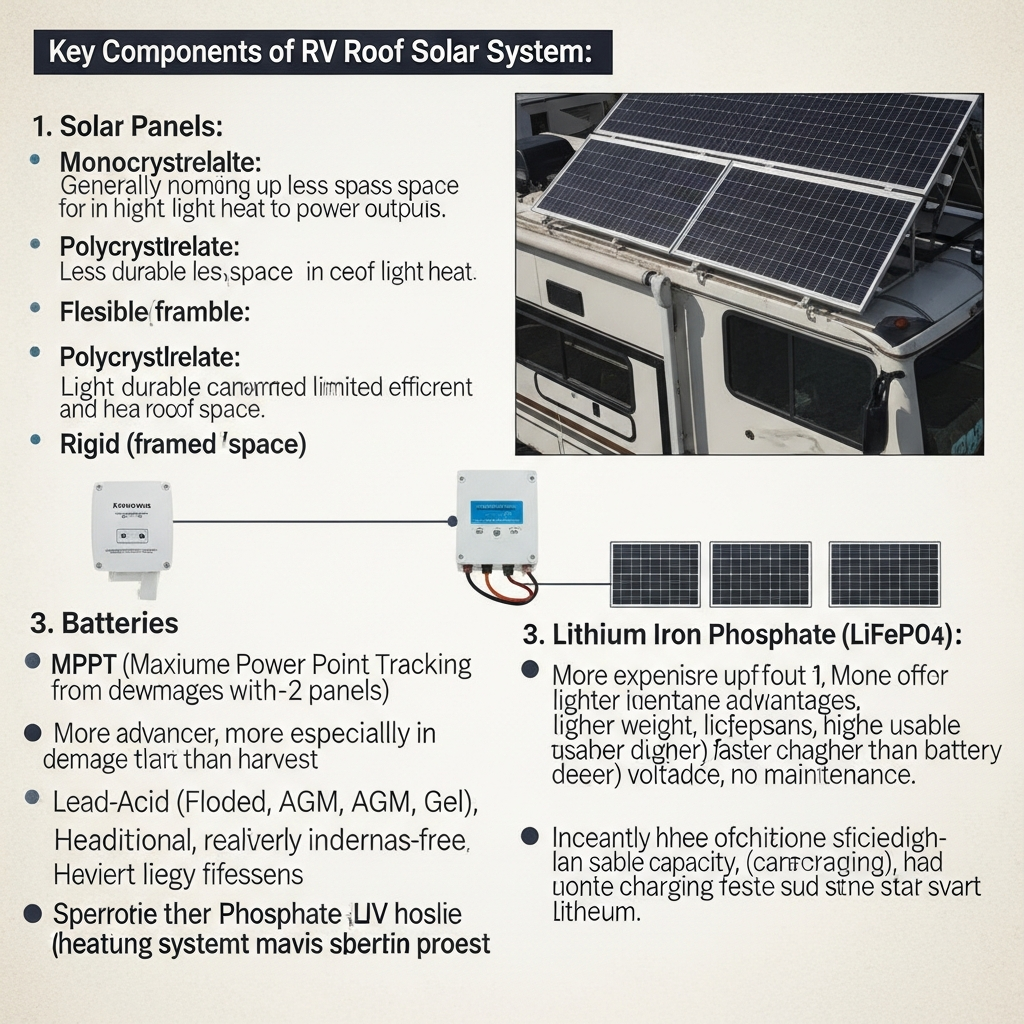
When selecting your solar setup for 2026, raw wattage is only part of the equation. It is vital to consider the physical architecture of the cells. Panels featuring 9BB or 10BB (Busbar) designs offer better efficiency and shade tolerance than the 5BB panels of the past. Additionally, consider how the panels will physically attach to your vehicle. Rigid panels require brackets and drilling, but offer the best longevity and cooling via airflow underneath. Flexible panels offer stealth and aerodynamics but transfer more heat directly to your vehicle’s roof.
Safety and connectivity are equally vital for remote travel. Having a reliable energy grid guarantees that your devices—including essential survival gear—stay charged. For instance, pairing your solar setup with a high-capacity power bank ensures you can always power your satellite messengers and GPS trackers, keeping you safe and connected no matter how deep into the wilderness you venture.
Frequently Asked Questions (FAQ)
How many watts of solar do I need for my camper van?
For weekend warriors running lights, a fan, and charging phones, 200W to 400W is generally sufficient. Full-time vanlifers running 12V refrigerators, induction stoves, and laptops should aim for 600W to 800W, paired with a robust lithium battery bank.
Are flexible solar panels better than rigid ones?
Flexible panels like the BougeRV CIGS are excellent for curved surfaces and stealth builds where aerodynamics are prioritized. However, rigid monocrystalline panels typically offer better heat dissipation, higher efficiency, and a longer overall lifespan.
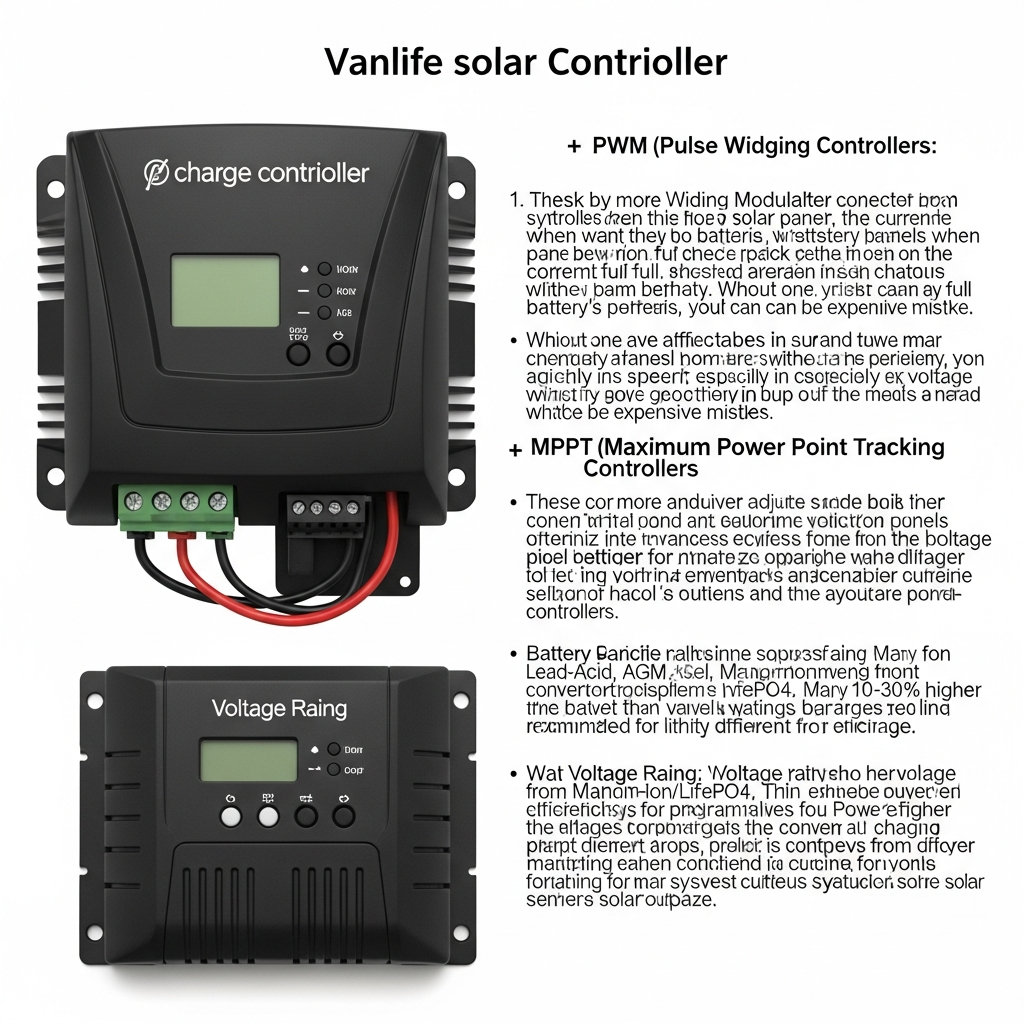
Do I need a special charge controller for high-capacity panels?
Yes. High-capacity panels produce voltages and amperages that require a dedicated charge controller to step down the power for your 12V or 24V battery bank safely. In 2026, an MPPT (Maximum Power Point Tracking) controller is highly recommended over older PWM technology to squeeze every drop of efficiency out of your solar array.