Introduction
Hitting the open road in an RV offers an unparalleled sense of freedom, but as more travelers venture off the grid in 2026, the necessity for reliable emergency technology has never been greater. Whether you are boondocking in the remote deserts of the Southwest or navigating the unpredictable storm seasons of the Midwest, staying informed and connected is a matter of survival. The technological landscape has evolved dramatically, bringing us highly specialized equipment designed to keep you safe no matter how far you roam.
When outfitting your rig, relying solely on a smartphone is a critical mistake. Cellular dead zones and localized tower outages during severe weather events require robust, redundant backup systems. This brings us to the core of modern RV preparedness: the great divide between Emergency Alert System (EAS) weather radios and two-way satellite beacons. Understanding the strengths of each platform is essential for building a foolproof safety net for your travels.
As an Amazon Associate I earn from qualifying purchases.
The Great Debate: EAS Weather Radios vs. Satellite Beacons in 2026
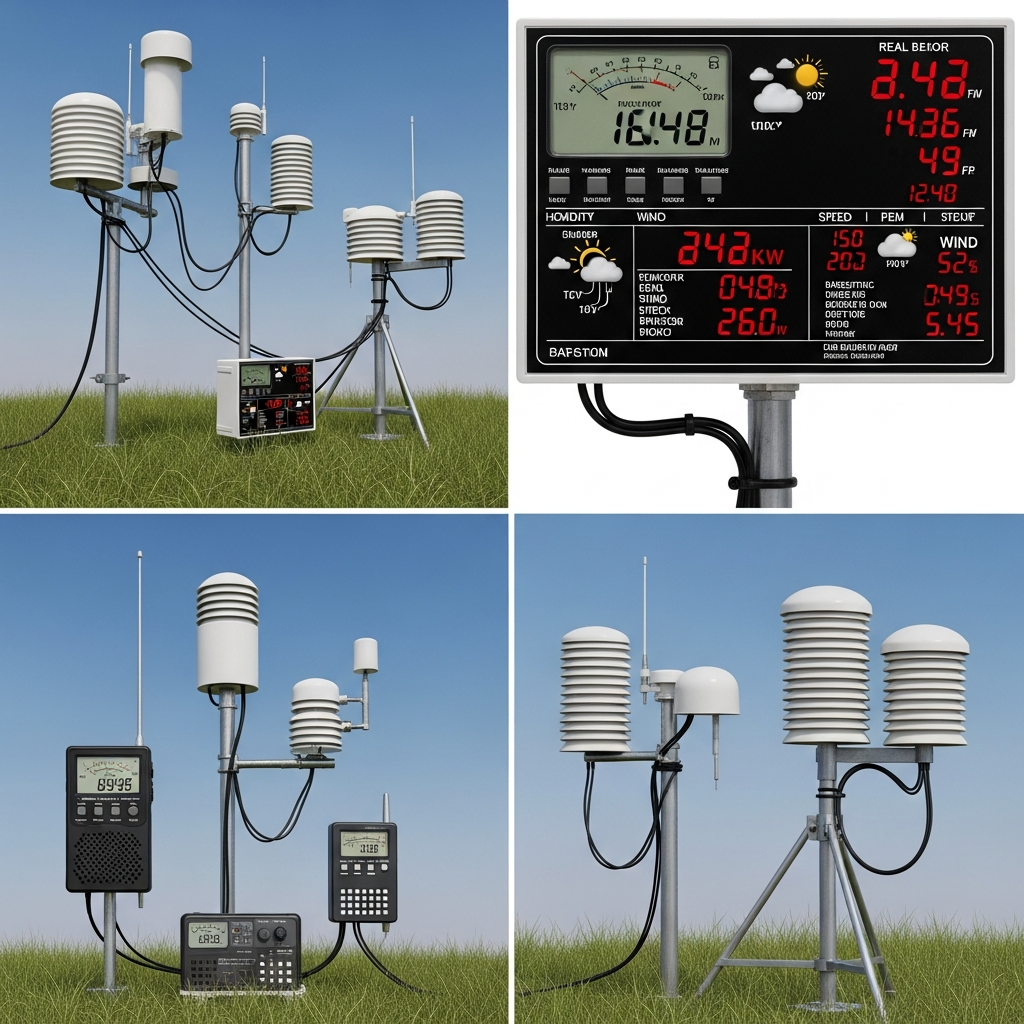
If you are currently mapping out a 2026 vanlife build or upgrading a traditional motorhome, you might wonder whether you need a weather radio, a satellite beacon, or both. The distinction comes down to one-way information versus two-way communication.
EAS Weather Radios are designed to receive localized emergency broadcasts from NOAA transmitters. They do not require subscriptions, they are entirely passive, and they alert you to incoming environmental threats like tornadoes, flash floods, or severe thunderstorms. Satellite Beacons, on the other hand, utilize global satellite networks like Iridium to provide two-way messaging, location tracking, and interactive SOS capabilities. They require an active subscription but guarantee that you can call for help even in the most isolated locations on Earth. For absolute peace of mind, most seasoned RVers in 2026 employ a hybrid approach: an EAS radio for localized early warnings and a satellite communicator as the ultimate lifeline.
1. Best Overall: Midland ER310 Emergency Crank Weather Radio
When it comes to pure utility and off-grid dependability, the Midland ER310 Emergency Crank Weather Radio dominates the market. Coming in at a highly accessible estimated price of $60.00, this unit holds a stellar 4.7/5.0 star rating and serves as the ultimate multi-tool for RV disaster preparedness.
Its 2026 killer feature is the Tri-Power Sustainability & Search Rescue Tech system. The ER310 features three independent power sources: a high-efficiency solar panel, a durable hand crank, and a high-capacity rechargeable battery, ensuring you are never without access to NOAA weather scan alerts. Beyond basic weather updates, its standout survival feature is the integrated ultrasonic dog whistle. In a catastrophic disaster scenario where an RV might be compromised or stranded off-road, this ultrasonic beacon is specifically calibrated to assist K9 search and rescue teams in pinpointing your location.
2. Premium Choice: Garmin inReach Mini 2 Satellite Communicator
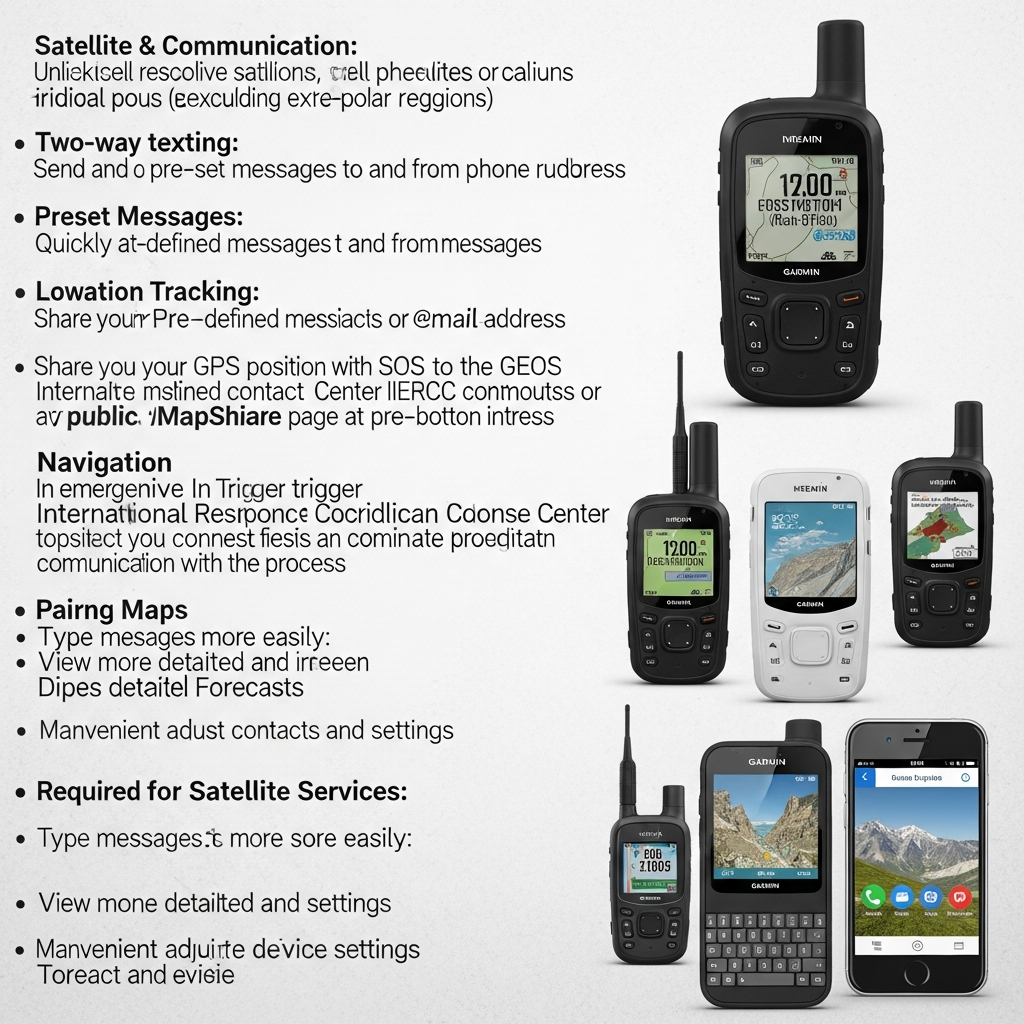
For those who frequently travel far beyond the reach of cell towers and local NOAA broadcasts, the Garmin inReach Mini 2 Satellite Communicator is worth every penny of its $399.00 estimated price tag. Boasting an impressive 4.8/5.0 star rating, this premium device brings professional-grade safety to the recreational RV market.
Similar to the technology praised in our review of the best two-way satellite messengers, Garmin’s 2026 killer feature is its advanced TracBack Routing combined with Global Iridium Coverage. If you leave your RV basecamp for a remote hike and get disoriented, the TracBack routing automatically records your path and navigates you back safely. It guarantees interactive SOS capabilities and two-way messaging worldwide. Furthermore, its battery efficiency has been engineered to last up to 14 days while operating in a continuous 10-minute tracking mode, making it an indispensable asset for off-grid explorers.
3. Best Budget: FosPower Emergency Solar Hand Crank Radio
Preparedness should not require emptying your wallet. At an estimated price of just $30.00, the FosPower Emergency Solar Hand Crank Radio proves that you can secure reliable emergency tech on a budget. With a solid 4.6/5.0 star rating, it provides exceptional redundancy for any RV bug-out bag.
The 2026 killer feature for this unit is its Rugged IPX3 Power-Bank Architecture. Designed specifically to withstand extreme weather, this compact radio acts as an emergency localized power station. While it won’t rival professional solar power banks, it packs a 4000mAh battery that is fully capable of keeping essential smartphones charged during a grid blackout. Combined with an automated SOS alarm and a bright 3-LED reading lamp, it is the perfect budget-friendly safety companion for late-night emergencies.
4. Best Value Satellite Beacon: Zoleo Satellite Communicator
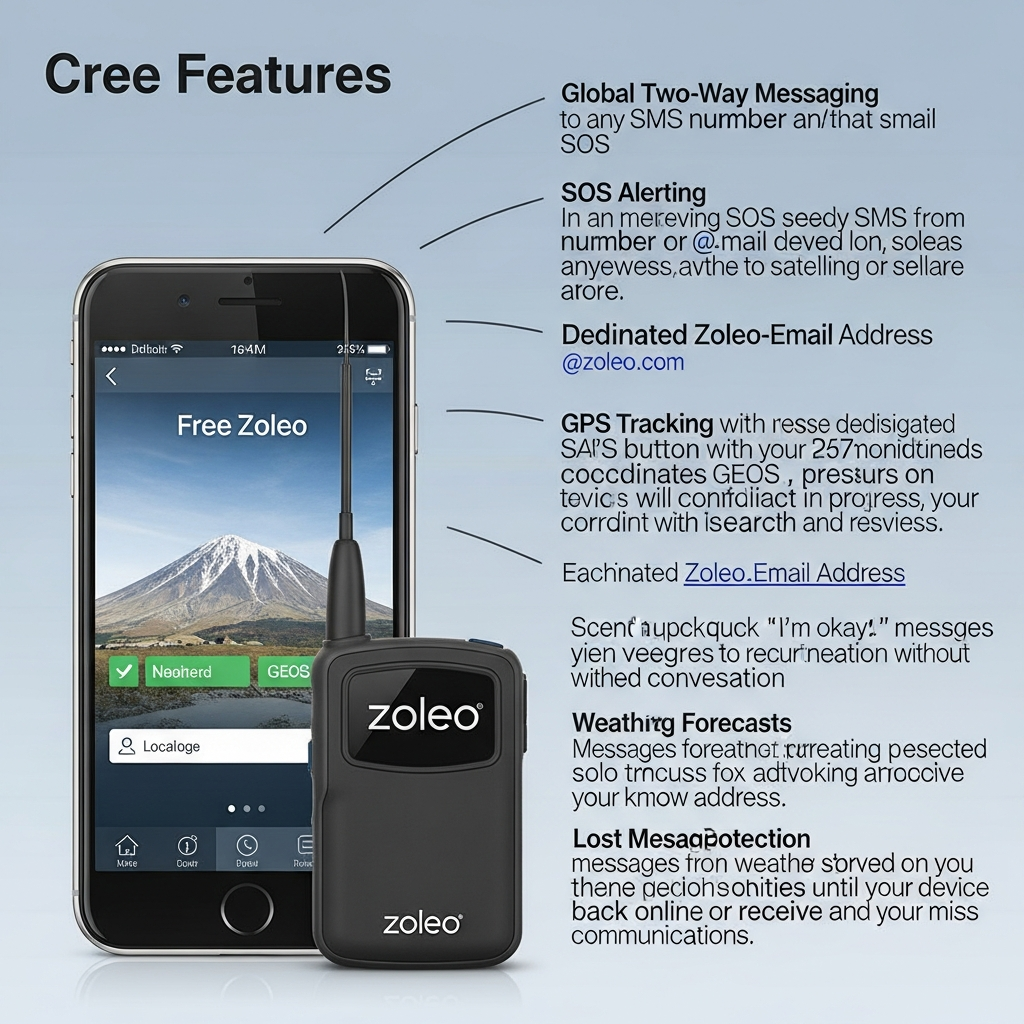
If you want satellite capabilities without paying top-tier premium prices, the Zoleo Satellite Communicator hits the sweet spot. Priced at approximately $199.00 (plus subscription) and holding a 4.6/5.0 star rating, the Zoleo bridges the gap between everyday cellular use and off-grid satellite communication.
Its defining 2026 killer feature is Seamless Network Transition. Rather than forcing all communications through a costly satellite network, the Zoleo device intelligently routes your messages over Wi-Fi, cellular, or the Iridium satellite network depending on what is currently available. This smart switching ensures maximum battery efficiency and minimizes subscription data usage. RVers receive a dedicated SMS number and email address, along with 24/7 SOS monitoring managed by the globally recognized GEOS emergency response center.
5. Best RV Base Station: Midland WR400 Deluxe NOAA Weather Radio
Not all emergency tech needs to be clipped to a backpack. The Midland WR400 Deluxe NOAA Weather Radio is the ultimate desktop EAS base station for your RV counter or dashboard. Retailing for around $70.00 with a 4.5/5.0 star rating, it acts as a permanent environmental sentry for your motorhome.
The primary reason this unit makes our 2026 essentials list is its S.A.M.E. (Specific Area Message Encoding) Technology. Standard radios often spam users with state-wide alerts that may not affect their specific location. The WR400 allows users to program localized county codes. Instead of receiving irrelevant nationwide warnings, the deafening 85dB siren will only trigger when a localized storm, tornado, or EAS alert directly threatens the exact geographic coordinates of your RV park. It guarantees you will be woken up when it matters most, without suffering from alert fatigue.
Frequently Asked Questions (FAQ)
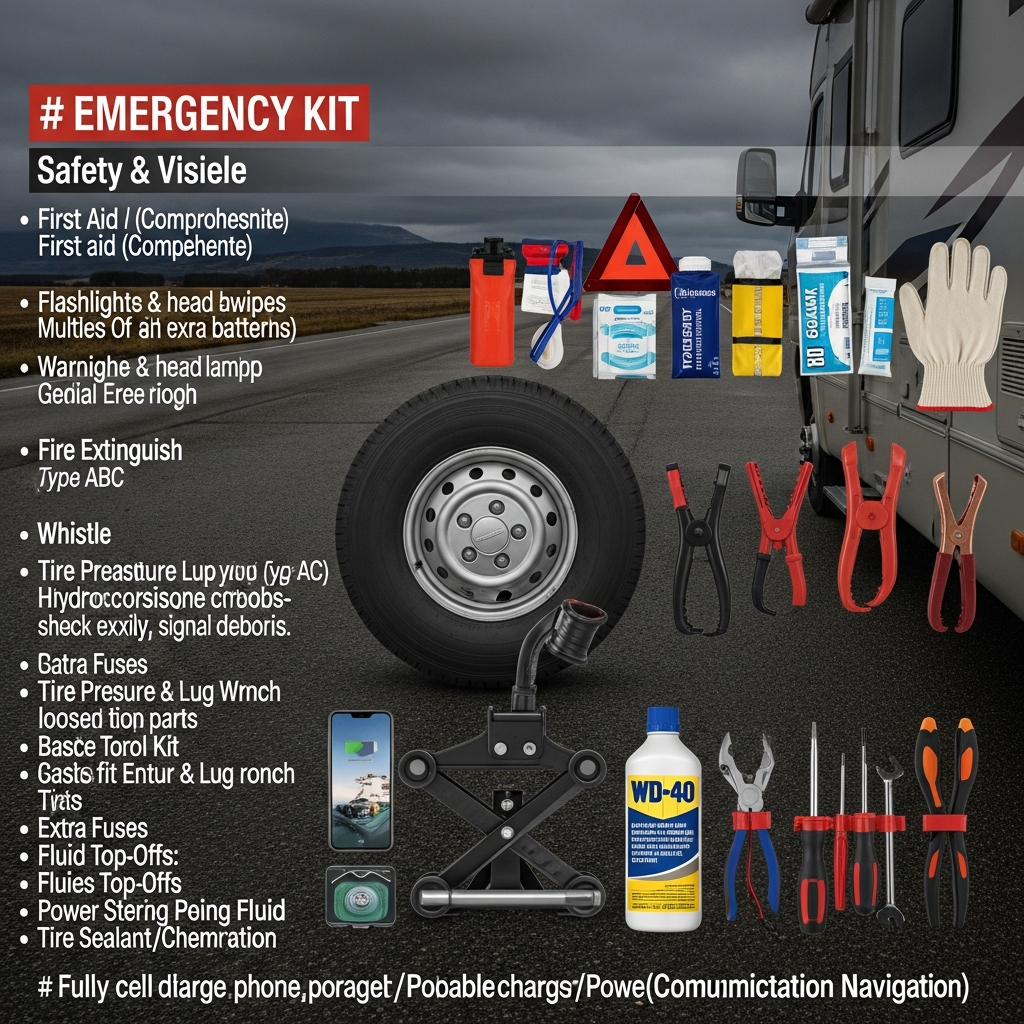
- Do I need a subscription for these devices? EAS weather radios, such as the Midland and FosPower models, are entirely free to use and rely on public broadcast signals. Satellite communicators like Garmin and Zoleo require an active monthly or annual subscription to access the Iridium satellite network and GEOS SOS monitoring.
- Can hand-crank radios charge larger devices? The internal power banks on weather radios are designed for emergency smartphone charging. If you need to power heavy electronics or medical equipment, you should invest in a dedicated energy system. We highly recommend reviewing our guide on the best portable power stations for CPAP machines for high-draw requirements.
- Will an EAS radio work anywhere? NOAA weather broadcasts cover approximately 95% of the United States. However, if you are deep in a canyon or far off grid in a highly remote area, the VHF signal may not reach you. In those edge cases, a satellite beacon is mandatory.
Final Thoughts on RV Emergency Preparedness
As RV living continues to grow in popularity throughout 2026, equipping your rig with the right emergency technology is a non-negotiable aspect of the lifestyle. The debate between EAS weather radios and satellite beacons doesn’t have a single winner because they serve entirely different, yet equally vital, purposes. An EAS radio like the Midland WR400 Deluxe NOAA Weather Radio acts as your early warning system, keeping you ahead of Mother Nature. Conversely, a device like the Garmin inReach Mini 2 Satellite Communicator serves as your ultimate lifeline when things go wrong and you need immediate evacuation. By integrating these top tech essentials into your travel setup, you ensure that every adventure on the road remains a safe one.