7 Best Climbing Helmets for Large Heads: Top-Rated Safety Picks for 2026
Introduction
As rock climbing and mountaineering continue to experience significant growth throughout 2026, finding safety gear tailored to specific body types is essential. For climbers with larger head sizes, discovering a climbing helmet that offers both a comfortable fit and adequate protection is often a frustrating process. Standard one-size-fits-most helmets frequently fall short, sitting far too high on the crown of the head or creating uncomfortable pressure points during long days at the crag.
Understanding the mechanics of a proper fit and knowing exactly what features to prioritize matters immensely. A climbing helmet serves as your primary defense against rockfall, dropped gear, and swing impacts. This guide breaks down sizing, safety standards, and advanced features for large-headed climbers, ensuring you make an informed decision when building out your safety kit.
As an Amazon Associate I earn from qualifying purchases.
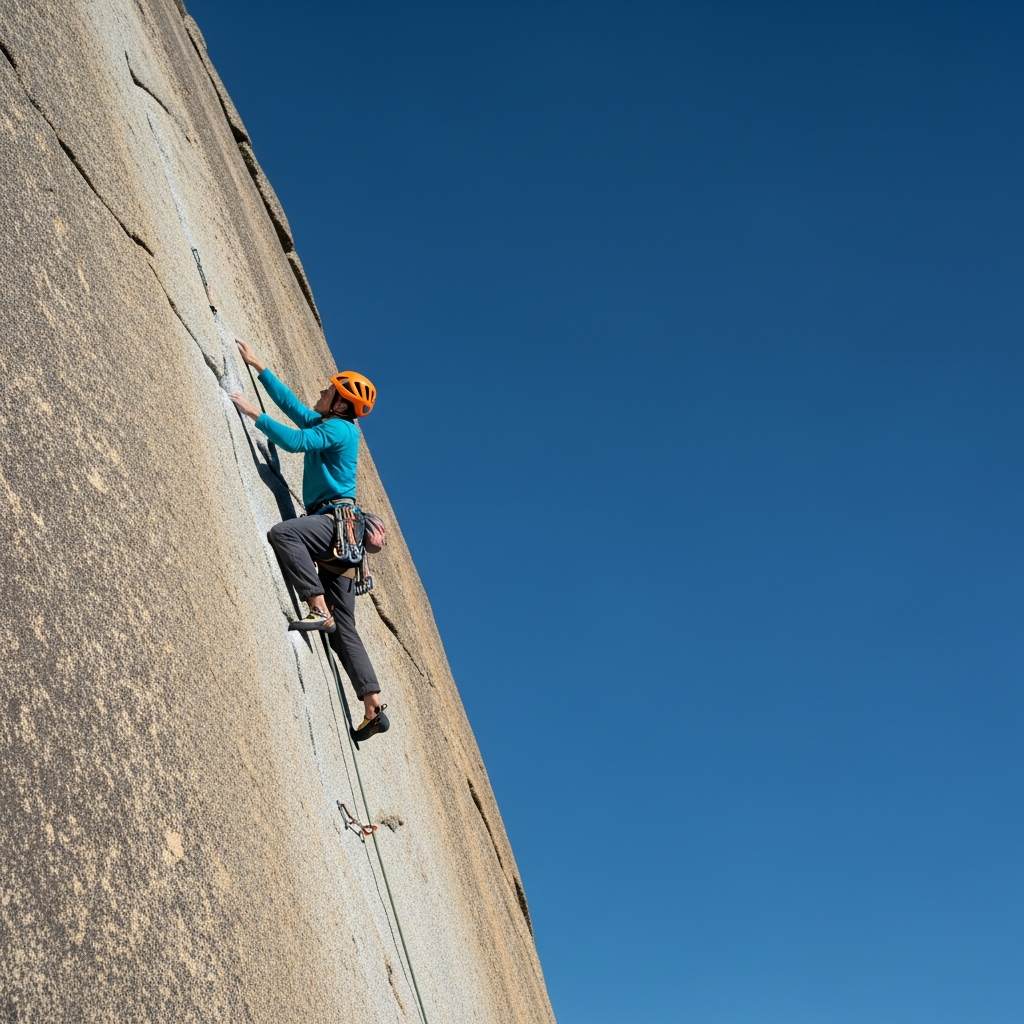
Why Proper Fit Matters for Large Heads in 2026
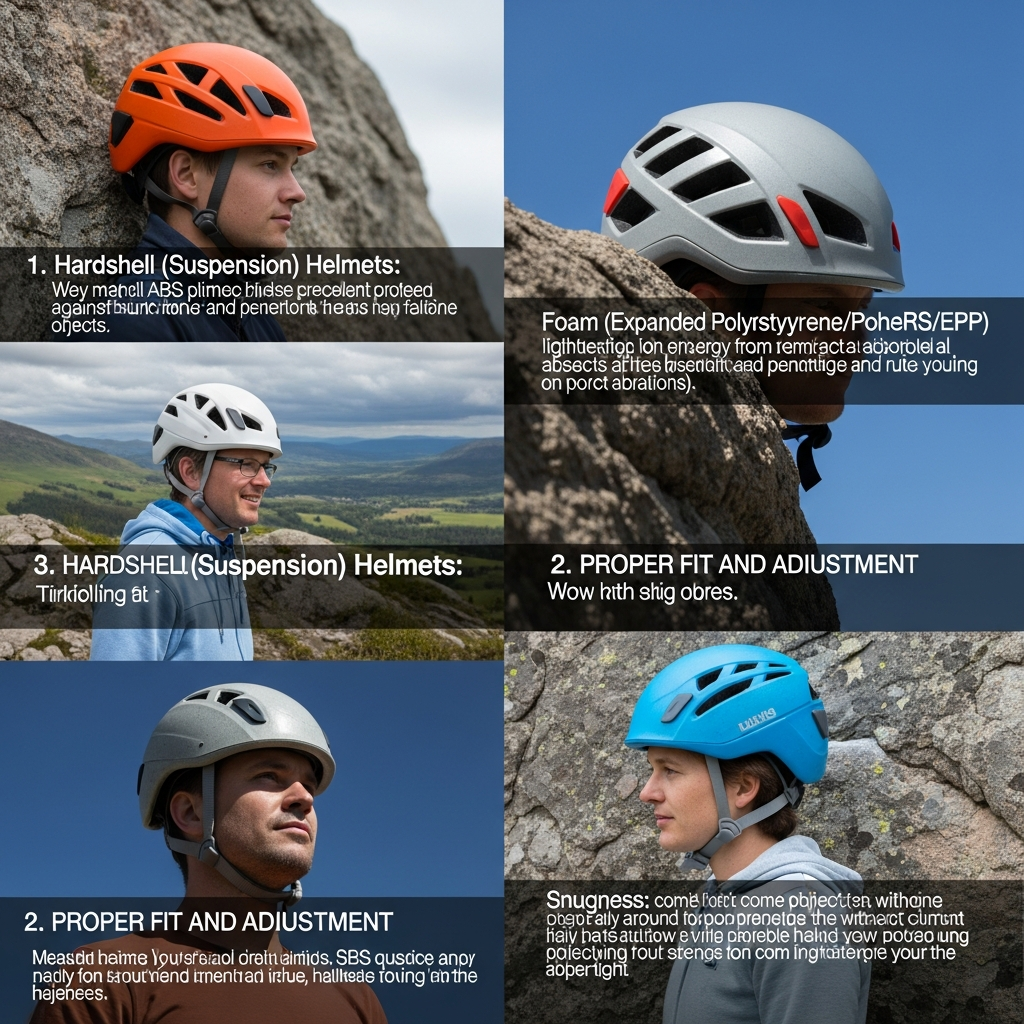
Wearing an improperly fitted climbing helmet is not just a matter of discomfort—it is a severe safety liability. When a helmet is too small, it naturally rides high on the top of the head. This elevated position leaves the vulnerable lower back of the skull, the sides of the head, and the temples completely exposed to side impacts and angular rockfall. Modern climbing safety heavily emphasizes multi-directional impact protection, making extensive head coverage non-negotiable.
Furthermore, a tight helmet restricts blood flow and creates painful pressure points, which can easily trigger severe headaches. When you are suspended hundreds of feet in the air, a headache caused by a restrictive helmet can compromise your focus and decision-making. Just as you would carefully research and size the best climbing harnesses for big wall climbing to avoid chafing over a multi-day ascent, you must treat your helmet fit with the exact same level of scrutiny. A well-fitted helmet should feel nearly invisible once strapped on, allowing you to focus entirely on your movement.
Key Features to Look for in a Climbing Helmet (Size XL/XXL)
If you have a large head, you cannot rely solely on the stated maximum circumference of a helmet. The actual shape, depth, and adjustment mechanisms play a massive role in how the helmet functions. Here are the primary features to evaluate:
Adjustability and Suspension Systems
The suspension system dictates how the helmet grips your head. For large heads, a highly adjustable system is necessary. Look for helmets featuring a low-profile rear dial or a sliding ratchet webbing system. Rear dials are exceptional because they allow for precise, one-handed micro-adjustments on the wall. The suspension should cradle the occipital bone (the prominent bump at the base of your skull) rather than just squeezing your forehead. This prevents the helmet from shifting backward when you look up at your lead climber.
Shell Material and Foam Types
In 2026, climbing helmets are generally categorized into three construction types: hard shell, hybrid, and pure foam.
- Hard Shell: Highly durable and great for taking a beating in your pack, but they tend to be heavier and bulkier, which can exacerbate the top-heavy feeling on a large head.
- Hybrid Shell: The industry standard for 2026. These feature a durable polycarbonate crown to deflect sharp rockfall, combined with a thick layer of Expanded Polystyrene (EPS) or Expanded Polypropylene (EPP) foam for shock absorption. They offer the best balance of weight, coverage, and profile.
- Pure Foam: Extremely lightweight, but highly susceptible to dents and everyday wear.
Ventilation and Comfort
A larger helmet naturally traps more heat. If you are grinding through a long, sweaty hike to the base of the wall—perhaps wearing your heavy-duty approach shoes for rugged terrain—you need maximum airflow to keep your core temperature down. Look for helmets with large, strategically placed ventilation ports that channel air from the front to the rear.
How to Measure Your Head for a Climbing Helmet
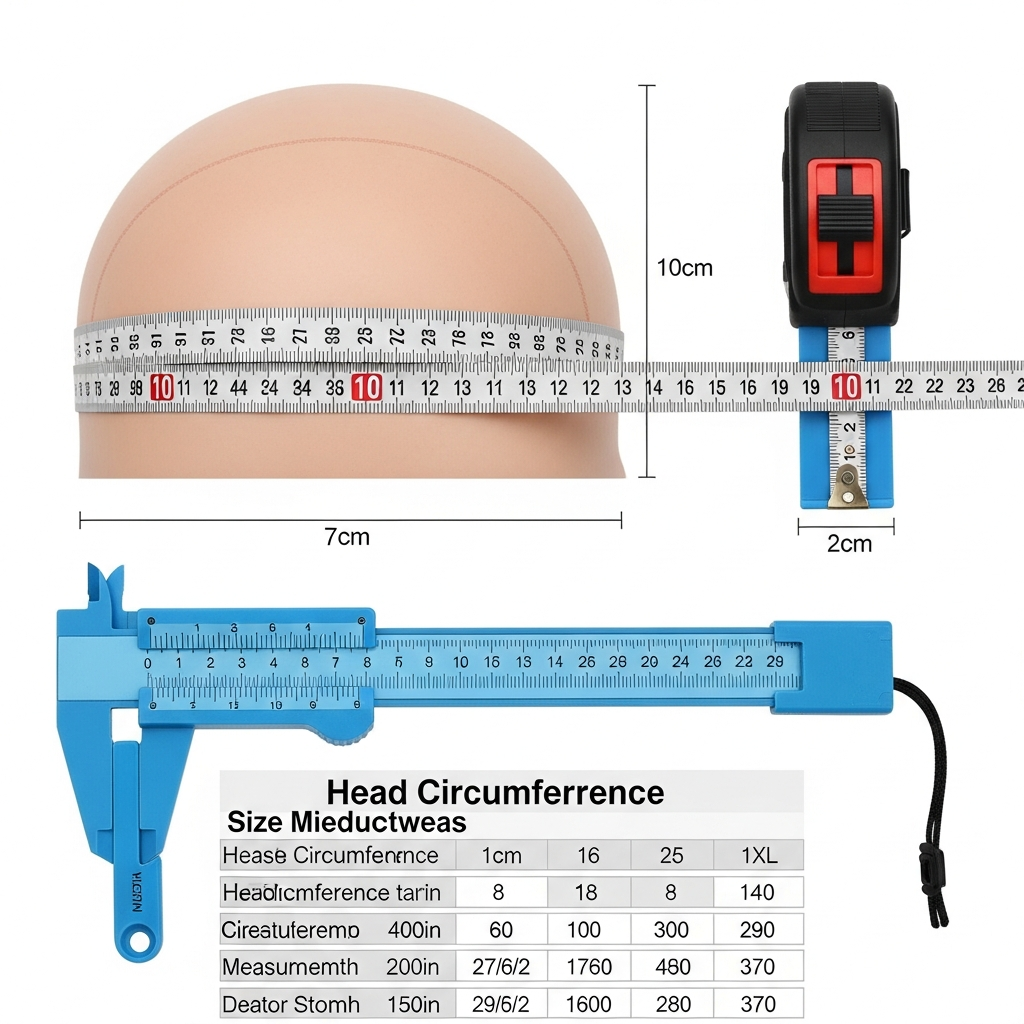
Never buy a climbing helmet without accurately measuring your head circumference first. A “Large” from one brand might equate to a “Medium” from another. Follow these steps for an accurate measurement:
Take a soft, flexible tailor’s measuring tape. Wrap it around the widest part of your head—typically about one inch (2.5 cm) above your eyebrows and just above your ears. Keep the tape level across the front and back. Note the measurement in centimeters, as almost all global climbing brands use the metric system for headwear.
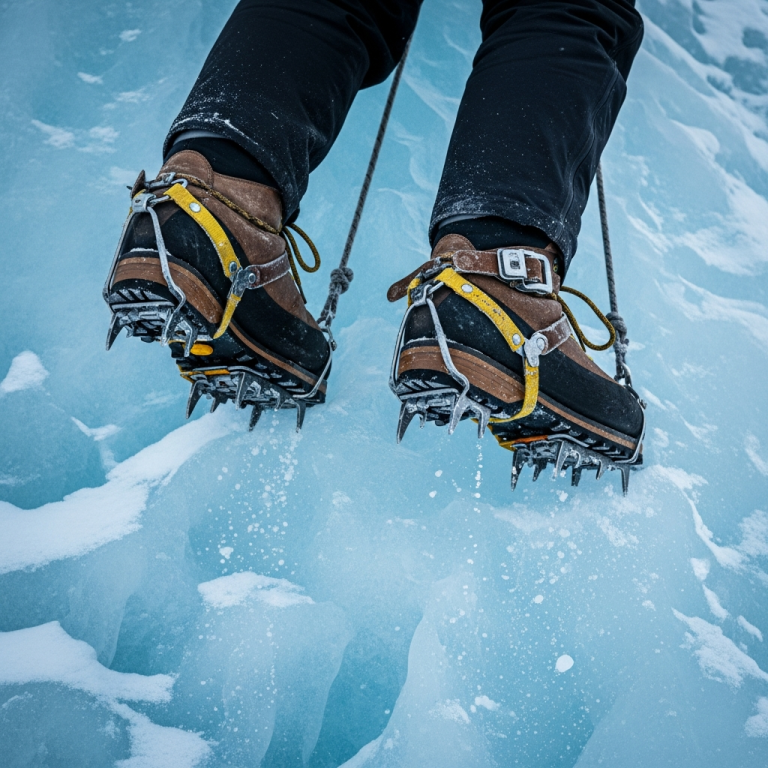
If you frequently engage in alpine ascents or cold-weather missions where you pair your gear with specialized ice climbing boots for extreme winter conditions, remember to measure your head while wearing your favorite winter beanie or skull cap. A helmet that fits perfectly bare-headed will be noticeably tight once you add winter insulation layers.
Safety Standards for 2026: What You Need to Know
When evaluating safety gear, never compromise on certified testing. Any helmet you consider must pass strict international safety ratings. The two primary certifications you must look for in 2026 are the CE EN 12492 (European standard) and the UIAA 106 (International Climbing and Mountaineering Federation standard).
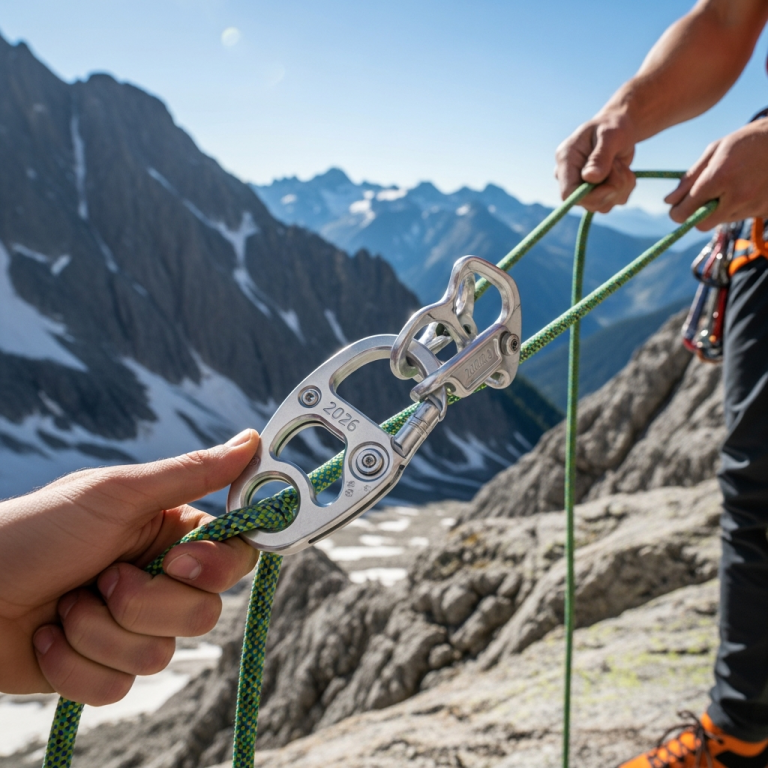
The UIAA standard is notably stricter than the CE standard, requiring the helmet to withstand higher impact forces without transferring dangerous force to the neck and spine. Historically, climbing helmets were only tested for top-down impacts. However, modern 2026 standards demand rigorous testing for side, front, and rear impacts, acknowledging that climbers are just as likely to swing into a wall during a fall. Always check the inside of the helmet for these certification stickers, much like you would verify the load ratings on your top-rated locking carabiners.
Frequently Asked Questions (FAQ)
What is the maximum circumference for a large climbing helmet?
Most standard climbing helmets max out around 61 cm to 62 cm. However, specialized XL and XXL models from top brands can accommodate head circumferences up to 63 cm or 64 cm. If your head measures 62 cm or larger, you will almost certainly need a dedicated oversized model to ensure proper depth and coverage.
Can I use a bicycle or ski helmet for rock climbing?
No. Bicycle helmets are designed for single forward impacts and have massive vents that leave your head highly vulnerable to sharp, falling rocks. Ski helmets are generally too heavy, overly insulated, and restrict hearing. Always use a certified climbing helmet engineered specifically to protect against rockfall and vertical impacts.
How do I know if my climbing helmet is too small?
If the helmet rests more than an inch above your eyebrows, leaves the sides and lower back of your head exposed, or causes distinct red marks and headaches after 20 minutes of wear, it is too small. Even when using equipment like budget climbing ascenders on a fixed line where you are constantly looking upward, the helmet should not pinch your forehead or slide backward off the crown of your head.
Conclusion
Securing the right climbing helmet for a large head in 2026 requires patience and a strict refusal to compromise on fit. A properly sized XL or XXL helmet will sit level across your brow, fully cover your occipital bone, and remain comfortable from the morning approach to the final rappel. By taking accurate measurements, prioritizing advanced suspension systems, and verifying updated UIAA and CE certifications, you can climb with absolute confidence knowing your most important asset is fully protected against the unpredictable elements of the vertical world.